Ernesto
De Leonardi

I inhabit cultures. I build systems.

Brand Strategy · Cultural Research · Communications

Based in Sydney. Working across the US, New Zealand, Argentina and Australia taught me that the most useful thing a strategist can do is pay attention to what's not being said.

About

I turn what's felt
but unnamed
into form.

My formation is split between communication sciences, semiotics, and two years on the road in a Kombi through Latin America. Theory and lived reality pull in different directions. Social reality is too complex, too dynamic, too human to be fully captured by any framework. The interesting work happens at the margins of both, where the map ends and the territory keeps going. What grounds the work is something simpler. Behind every brand there are people living their lives, having good days and bad ones. I'm always looking for answers that live at the margins, that might make someone's day marginally better. I co-founded a brand, repositioned another, and kept asking the same question across every project: what would make this genuinely better for the person it's made for. If you're building something worth believing in, let's talk.

What I do

Cultural & Field Research Cultural Brand Strategy & Positioning Packaging & Content Strategy Research-Led Creative Direction Operator-Centered & UX Design

Selected Work

01

Yellow Rooster Coffee Imports

Already trusted.
Not yet a brand.

From purchase brand to cultural connector: repositioning a new specialty coffee merchant in the US market.

4 min read

Year2022–2023
IndustrySpecialty Coffee
MarketUSA
RoleBrand Strategist
yr strategy hero

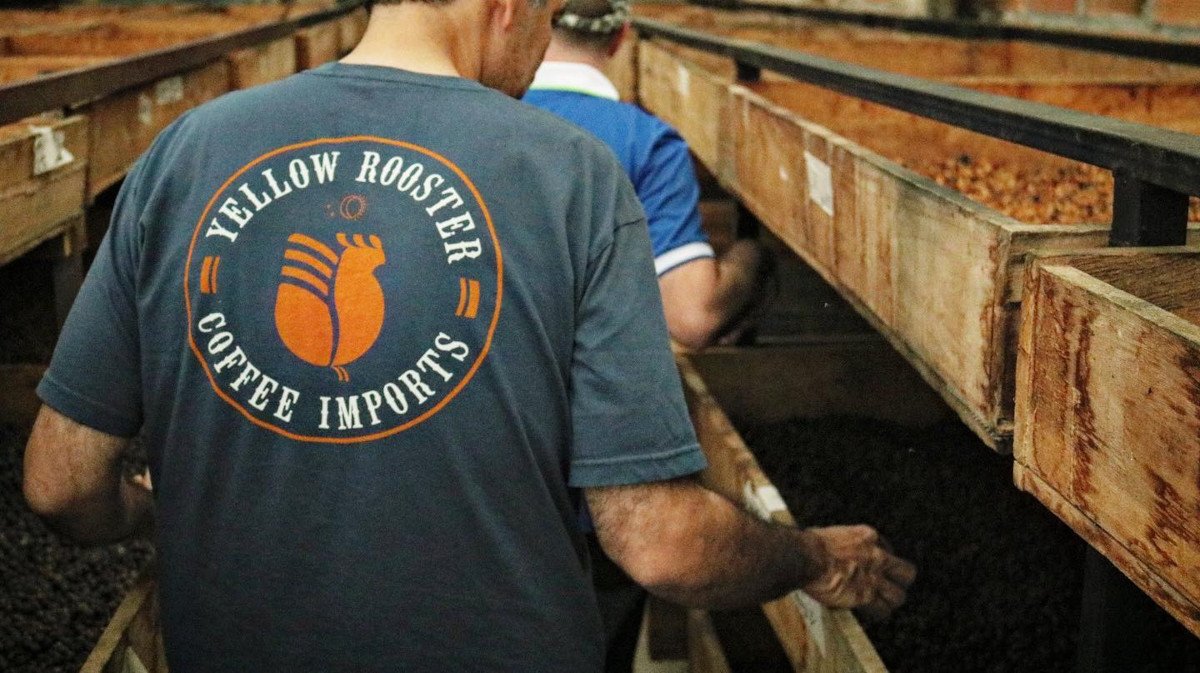
Yellow Rooster Coffee Imports was a new specialty green coffee merchant entering a competitive US market: with strong producer relationships and a clear ambition to stand out. As part of the internal marketing team, I led the brand strategy work to define where Yellow Rooster needed to go: not just what it sold, but what it stood for, and how that belief could be felt at every touchpoint.

Yellow Rooster was operating as a purchase brand: roasters bought, but the relationship stopped there. There was no structured narrative, no consistent voice, and no clear positioning that set the brand apart in an increasingly competitive specialty coffee market.

The opportunity was to transform Yellow Rooster into a usage brand: one that roasters return to, advocate for, and genuinely integrate into their craft.

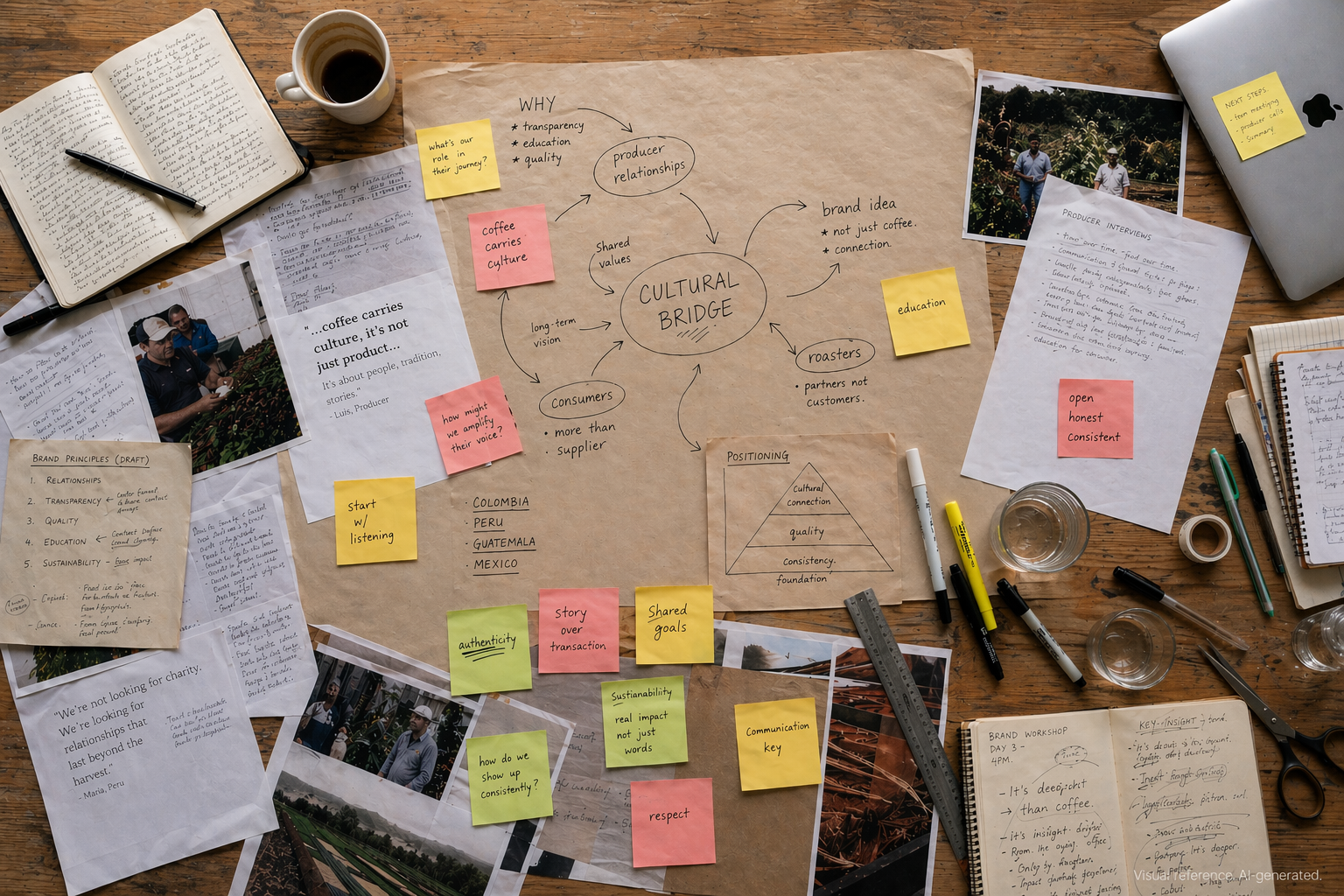
The strategic process began with a full brand audit: mapping strengths, gaps, and competitive whitespace. From there, I developed a positioning framework built around a single insight: Yellow Rooster isn't just a supplier, it's a cultural bridge between producers and roasters.

This reframe shifted the entire strategic direction: from transactional to relational, from product-led to story-led. The brand idea, purpose, values, and communication architecture were all built from that foundation.

yr strategy system 1

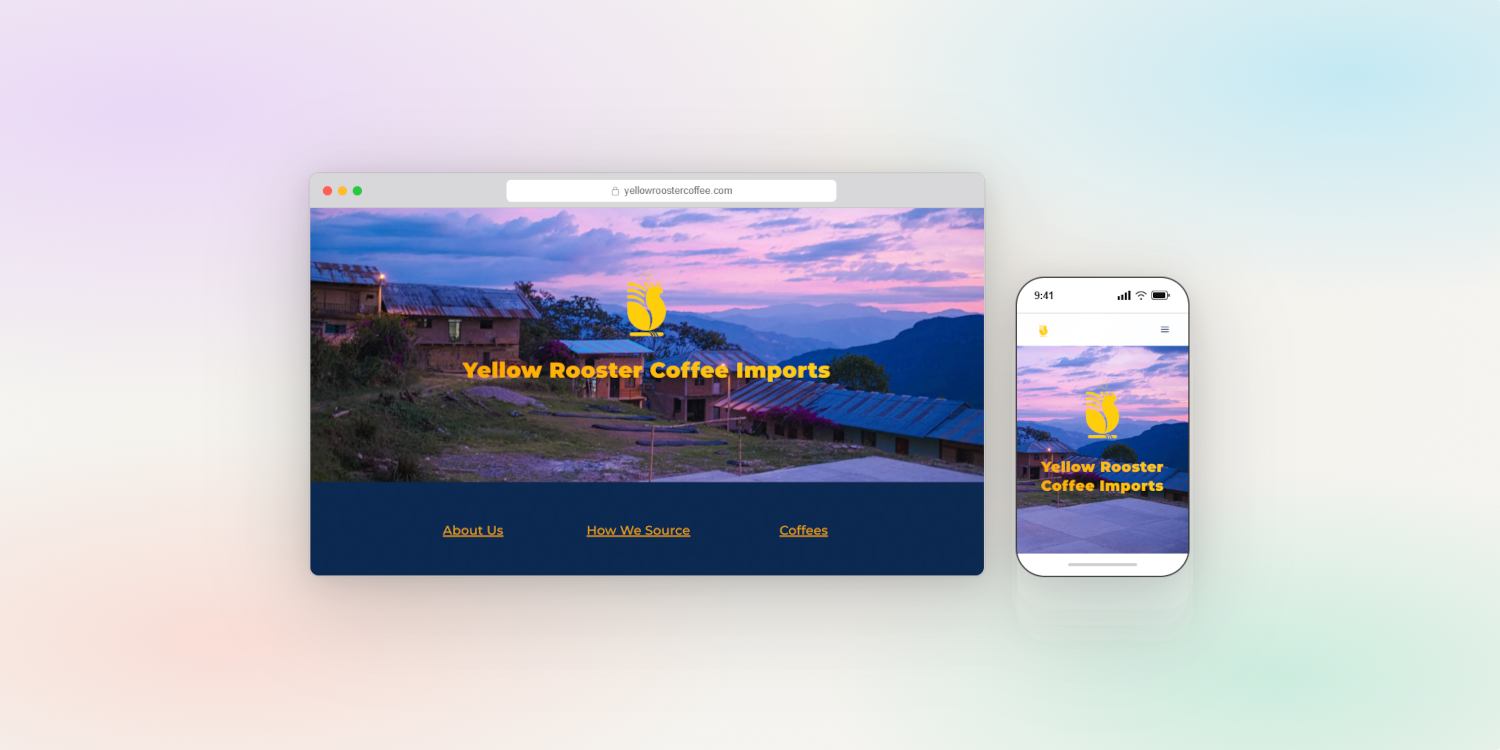
The strategy translated into a cohesive brand system across three key areas. The website was redesigned to reflect the new positioning: making the sourcing story and producer relationships central to the experience.

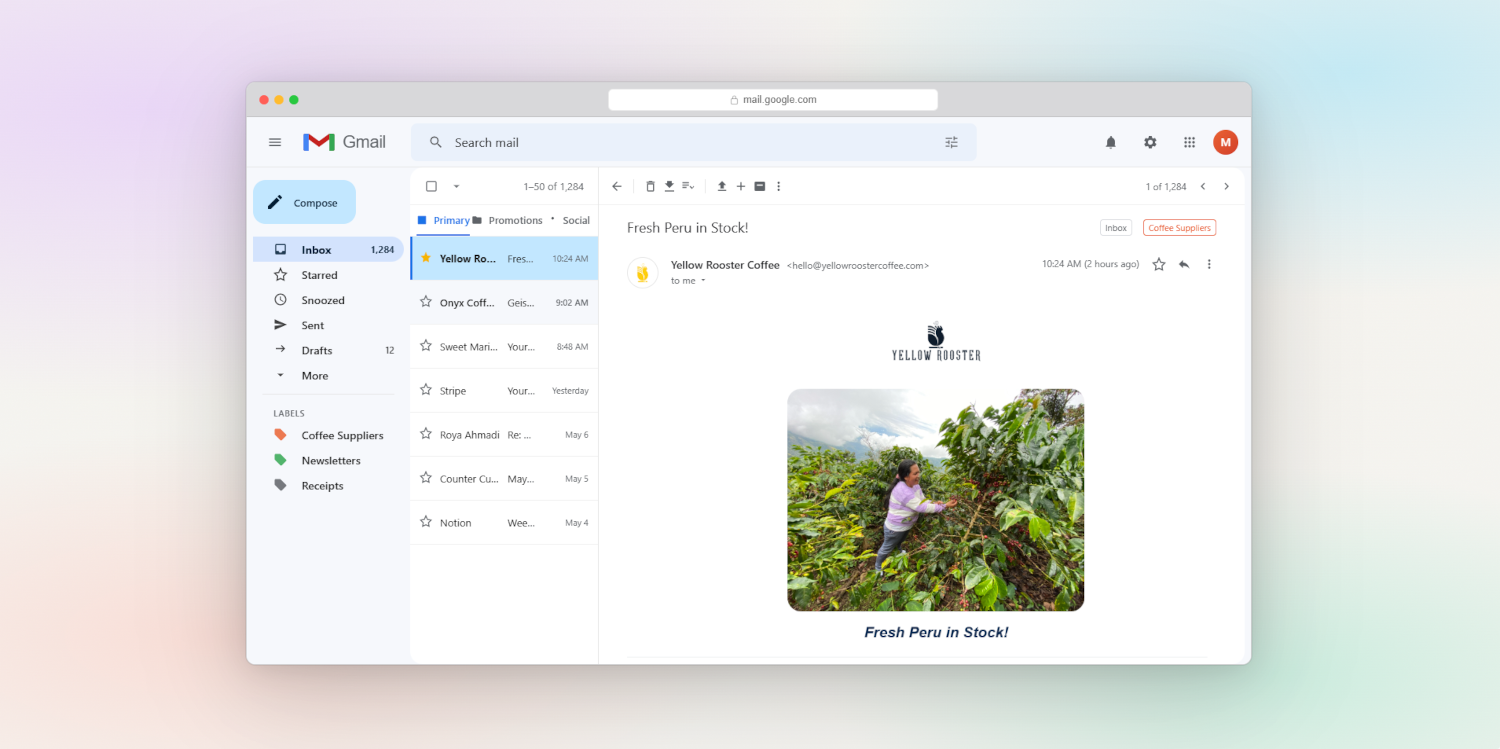
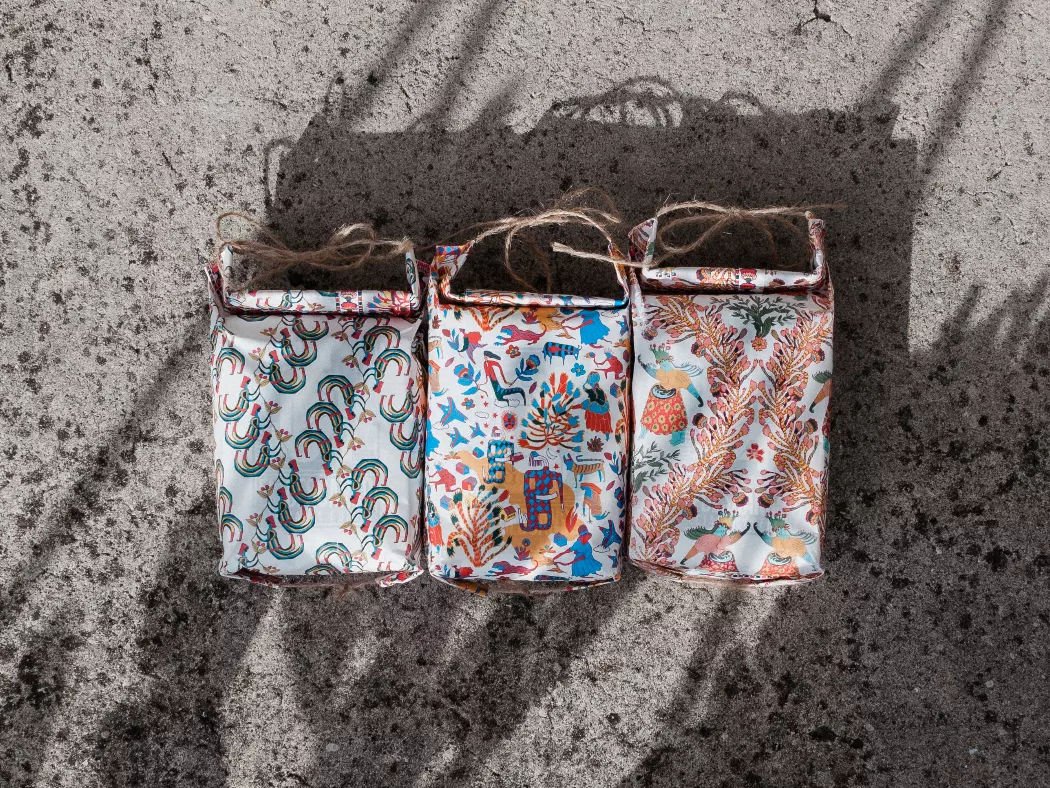
Four origin-specific coffee sacks were created for Colombia, Peru, Mexico, and Guatemala, turning the core product into a tangible expression of the brand's cultural identity. A communications framework was established across email marketing and Instagram, giving the team a clear voice and content direction to build community over time.

yr strategy website

The new website launched successfully, and the origin sacks were received with strong enthusiasm from roasters and the wider coffee community. The Instagram channel gained early traction, driven by the authentic, culture-first tone established in the strategy. Client feedback consistently highlighted the clarity and coherence the new positioning brought to the brand.

2022–2023 · Specialty Coffee · Brand Strategy, Positioning, Communications Architecture
02

Seven Miles Coffee Roasters

Replacing paper
with purpose

Replacing printed configuration sheets with a mobile interface that prevents errors by design.

3 min read

Year2026
IndustrySpecialty Coffee
MarketAustralia
RoleProduct Design, UX Development
seven miles app hero

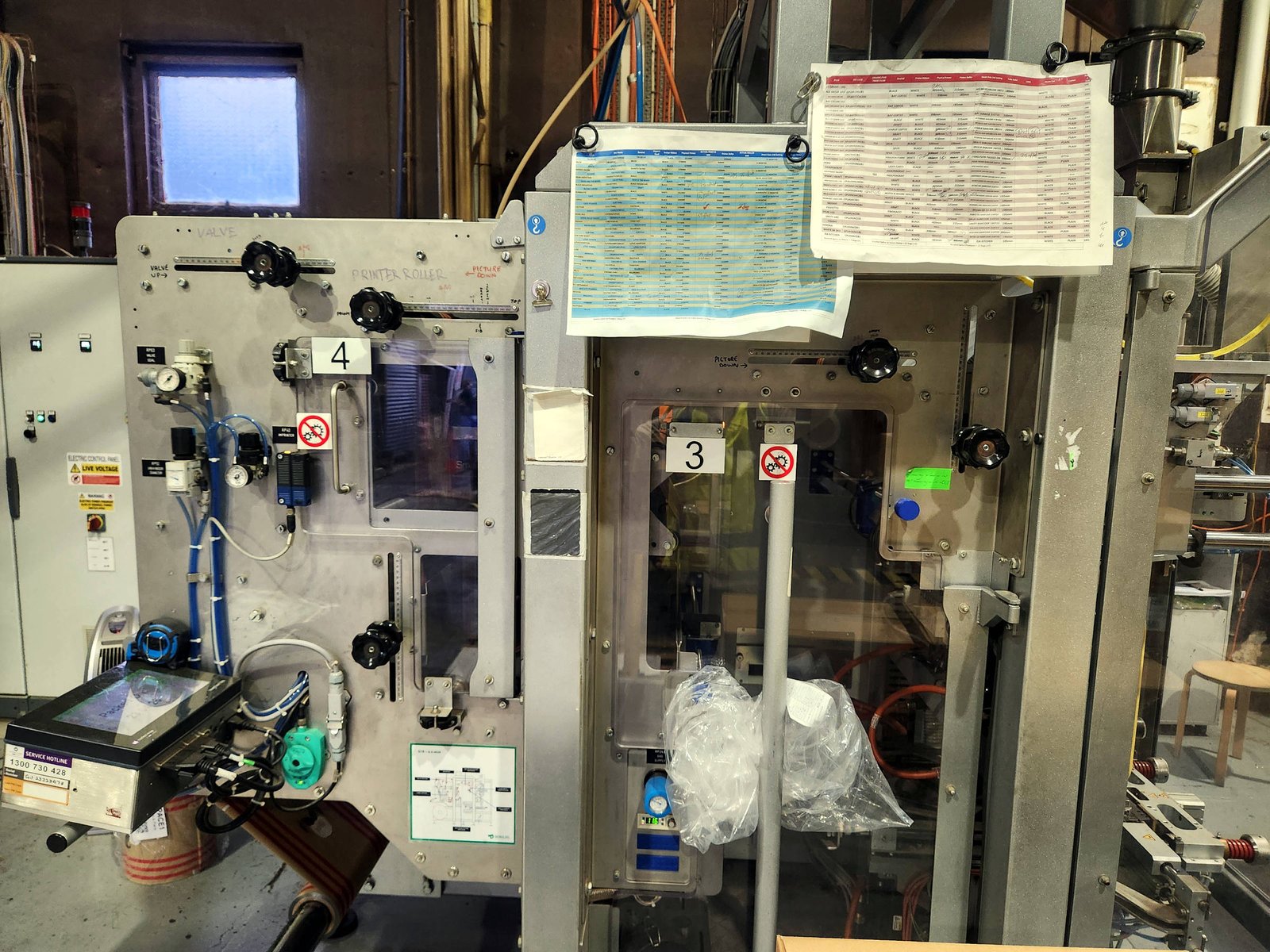
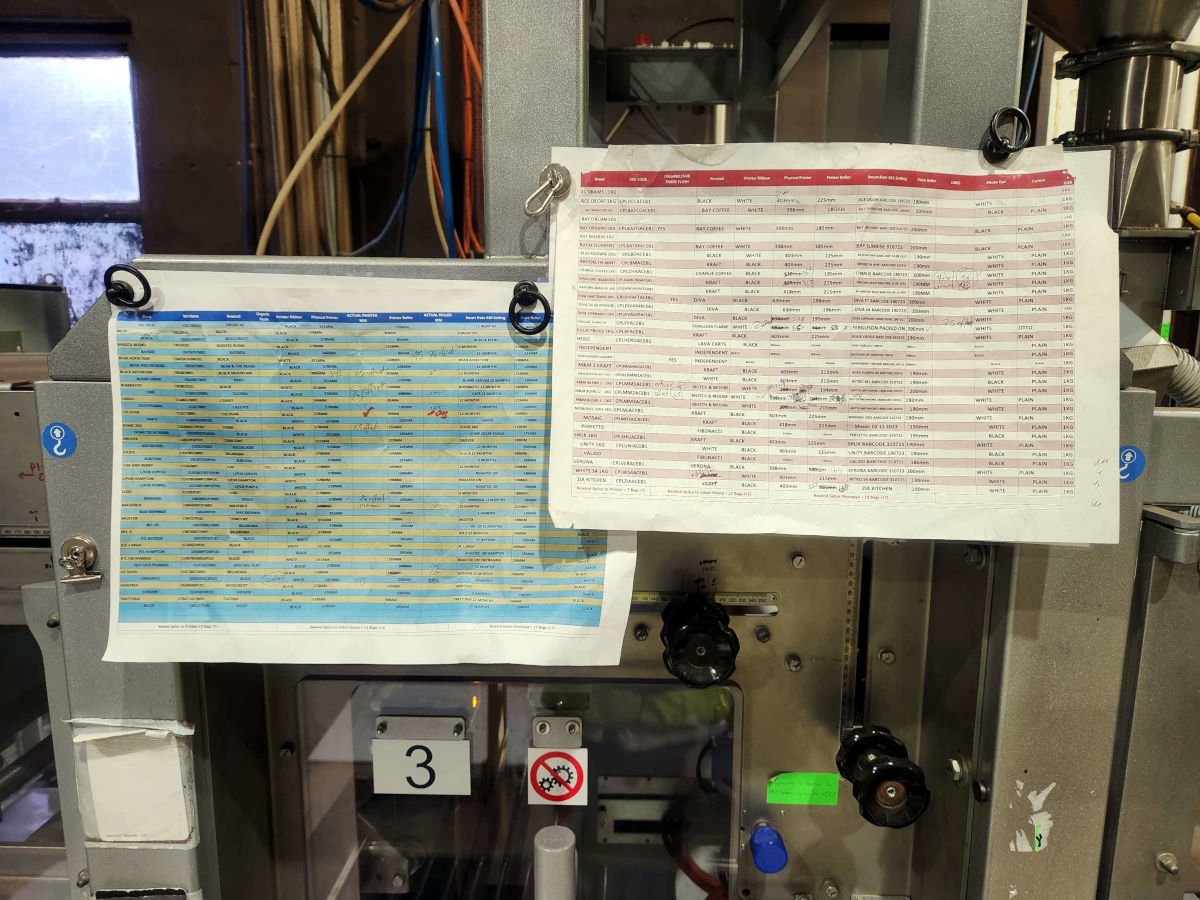
A normal production day could include a misconfigured machine, misprinted labels, runs that stretched longer than they needed to. All of it traced back to two oversized printed sheets on the machine: small type, no logic that followed the production flow. Reading them under pressure, mid-shift, was the job before the job. These were signals that pointed to something worth solving.

Eight to twelve variables per coffee run, all configured from an oversized printed sheet. The margin for error was built into the format. Misconfigured machines meant rework. Slow changeovers meant lost time. When the shift closed, the data closed with it: findable in theory, unreachable in the rhythm of a production day.

Each operator read the same process through a different code. The goal was threefold: reduce the time between configuration changes, remove the dependency on a format that was producing involuntary errors, and give the team a single language for how the day runs.

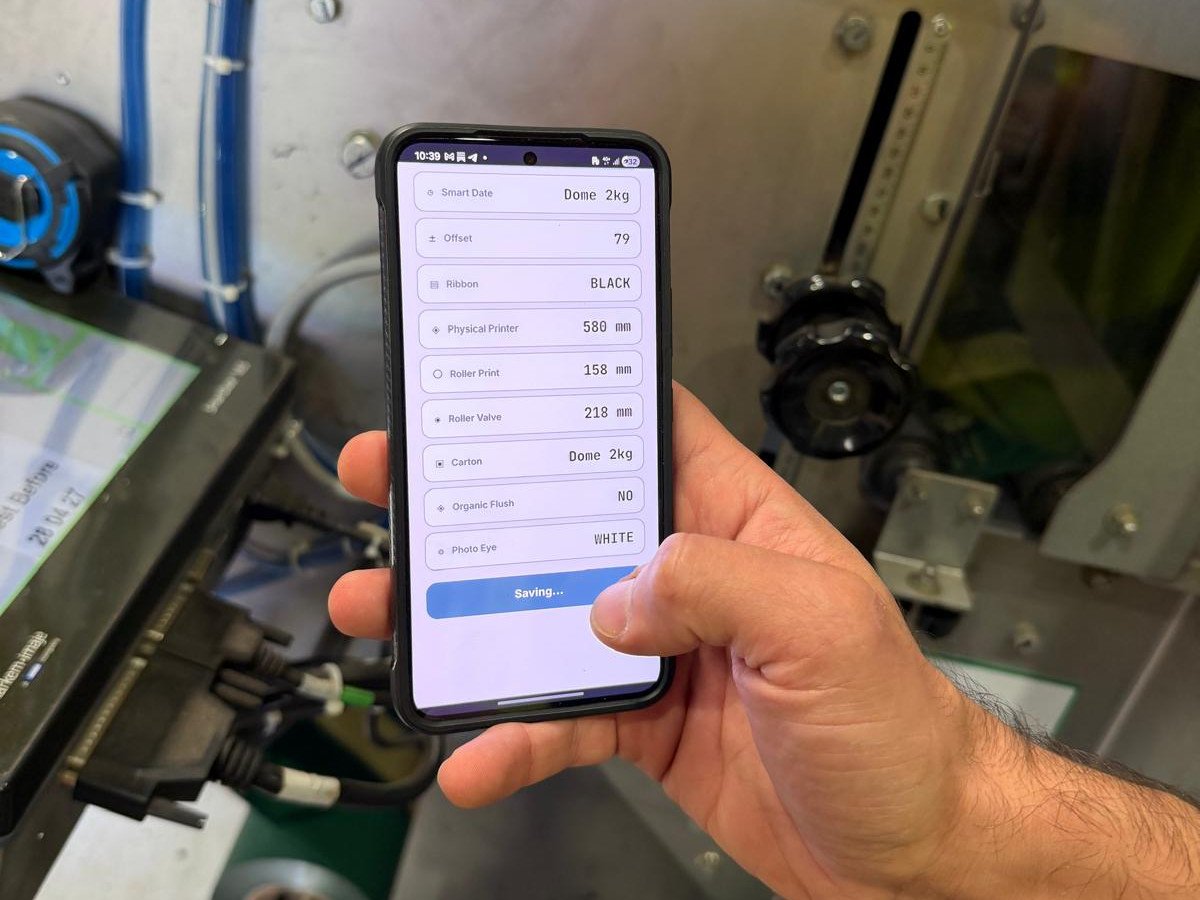
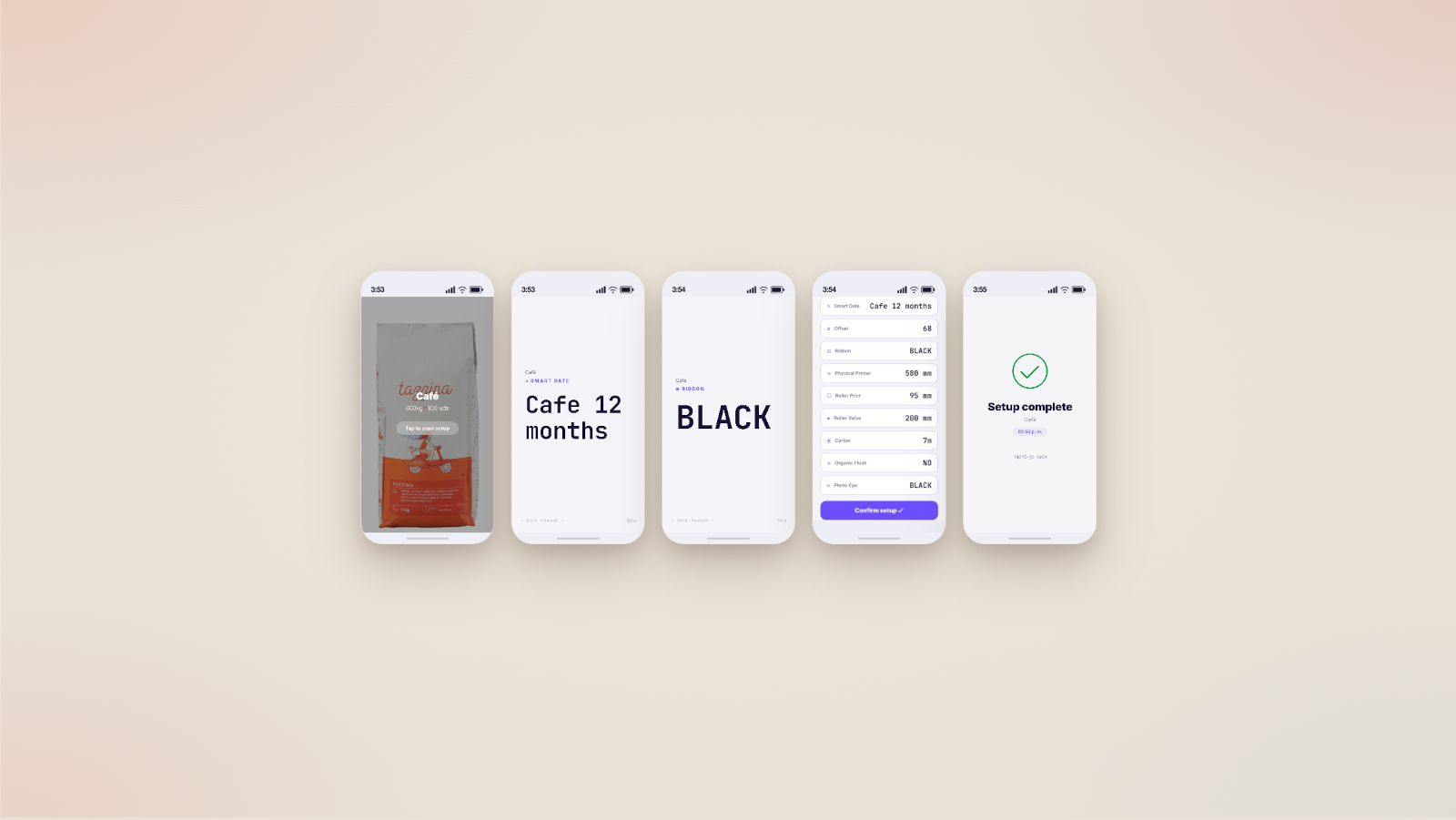
Rather than digitizing the existing process, the design started from the operator outward. The question wasn't what does the system need to track, but what does the operator need to feel and know at each moment. The answer shaped everything: a step-by-step flow that follows the physical logic of moving around the machine, surfaces information at the right moment, and smooths the rhythm between configuration changes and production runs. The sequence reduces cognitive load, smooths the transition between runs, and replaces abrupt energy spikes with a pace that's easier to sustain across a full shift.

seven miles before
seven miles after

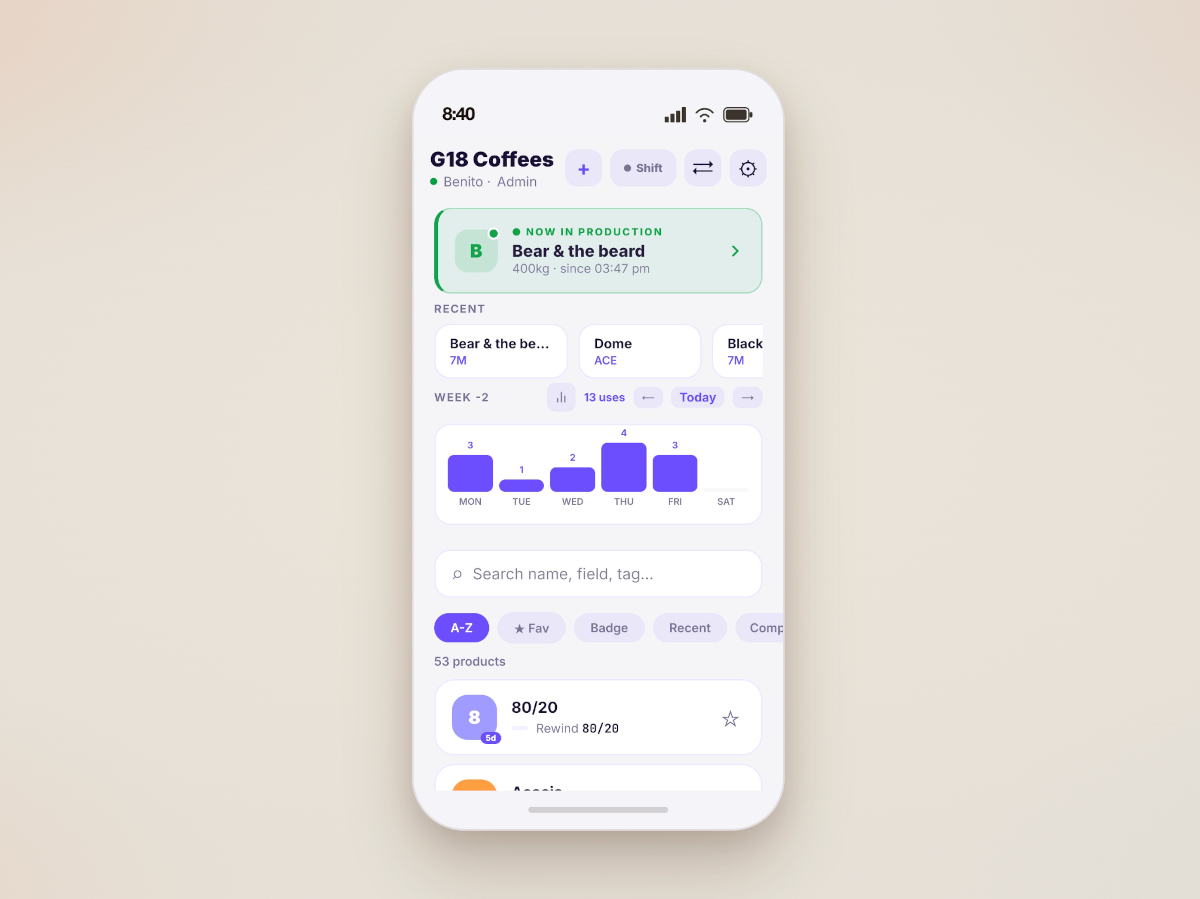
The app organizes the production day from start to finish. A dashboard shows the daily order queue. A step-by-step configuration flow guides each changeover, removing decision load and preventing unforced errors. Operators can flag stock running low, log routine machine maintenance, and access tutorials for major changeovers. The shift closes with an automated production report. One interface. One language.

seven miles screen 1
seven miles screen 2

Currently in active testing on the floor. Early use has confirmed the core premise: faster changeovers, fewer unforced errors, a configuration process that no longer depends on paper. Ready to scale.

2024 · Specialty Coffee · Product Design, UX Development · Australia
03

Yellow Rooster Coffee Imports

Sack Series I:
In defense of peace

Turning a commodity into a collectible: origin-specific packaging built from qualitative research and producer interviews.

4 min read

Year2022–2024
IndustrySpecialty Coffee
MarketUSA
RoleBrand Strategist
yr rebrand hero

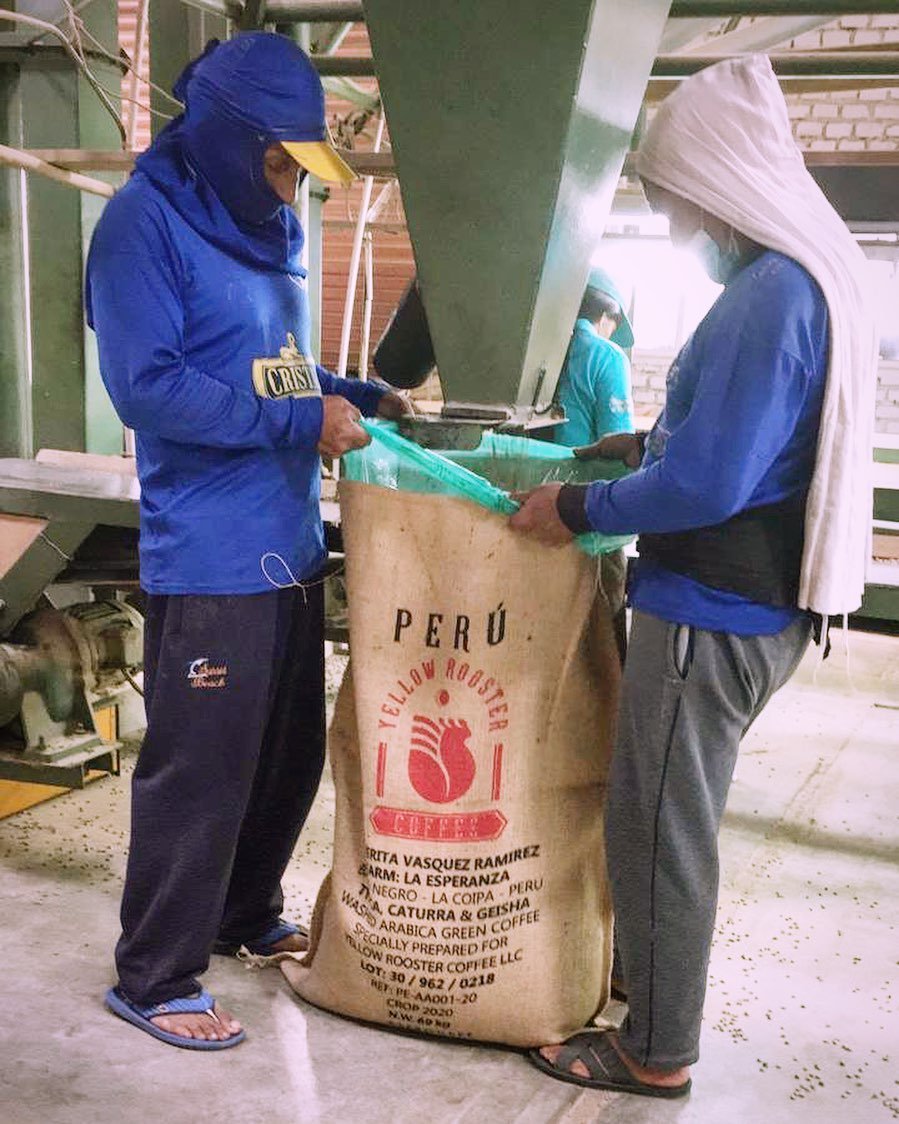
Every green coffee sack that left Yellow Rooster used to look the same: a generic bag stamped with basic information, indistinguishable from any other supplier. As part of the internal marketing team, I led the rebranding of the core product: transforming four origin-specific sacks into a cohesive illustrated series, each with its own identity, supported by a coordinated launch across website, Instagram, and email.

The original sacks were functional but invisible: a missed opportunity to communicate Yellow Rooster's core belief that every coffee carries a culture. With no visual differentiation between origins and no hierarchy in the information presented, the product wasn't telling any story.

The challenge was to turn the sack itself into a brand touchpoint: something roasters would notice, remember, and want to share.

yr rebrand before
yr rebrand after

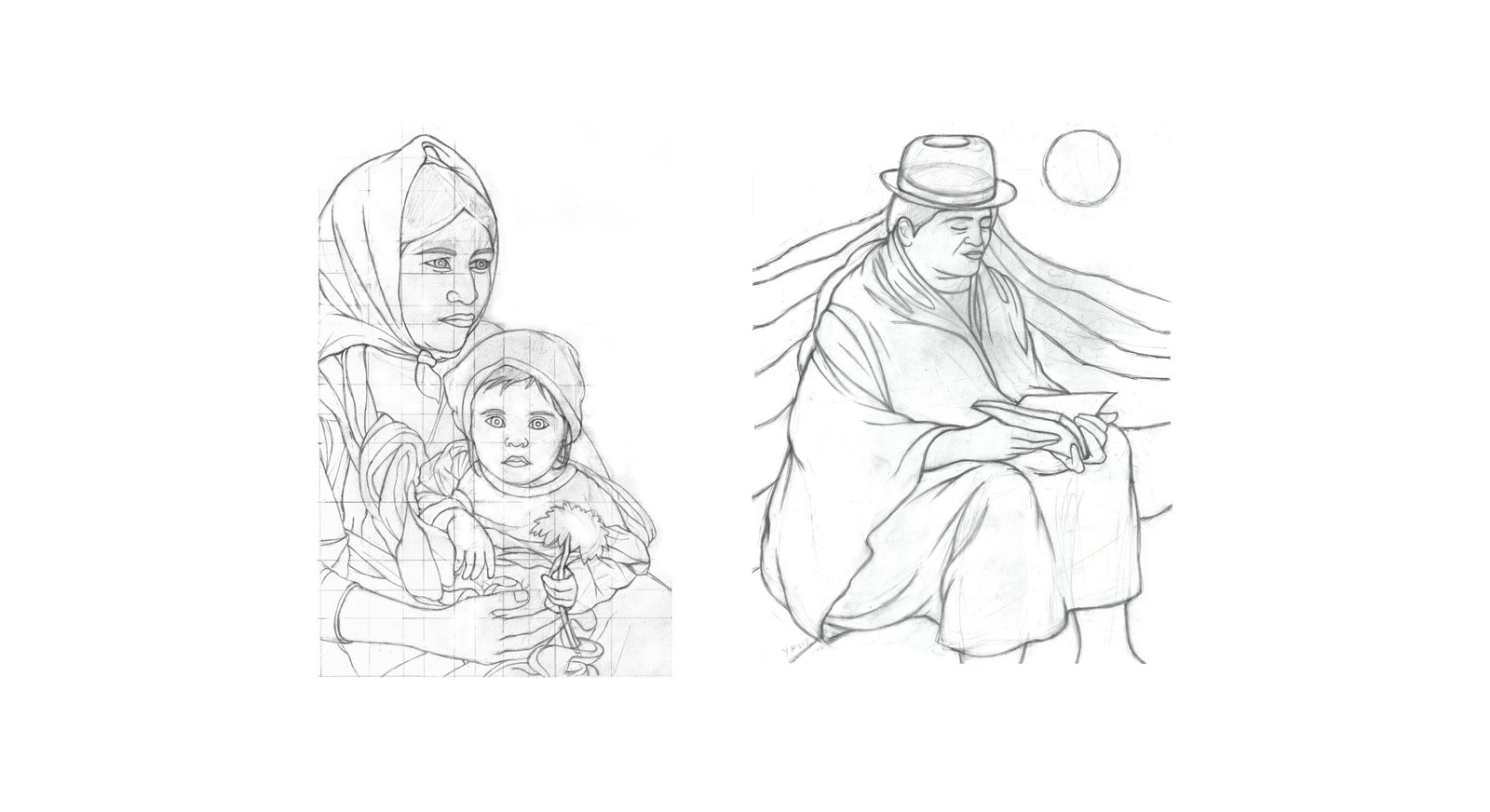
The process started with qualitative research: conducting in-depth interviews with producers from each of the four origins. Those conversations were complemented by a deeper investigation into each country's historical, political, and economic relationship with coffee: understanding not just the product, but the context that shaped it.

Together, those findings surfaced the insights that guided every creative decision: what made each origin distinct, what producers wanted roasters to understand, and what information genuinely mattered at the point of purchase. From there, I developed a content hierarchy for each sack and the creative briefs that guided the illustration series: ensuring that the artwork and information on every bag were grounded in something real.

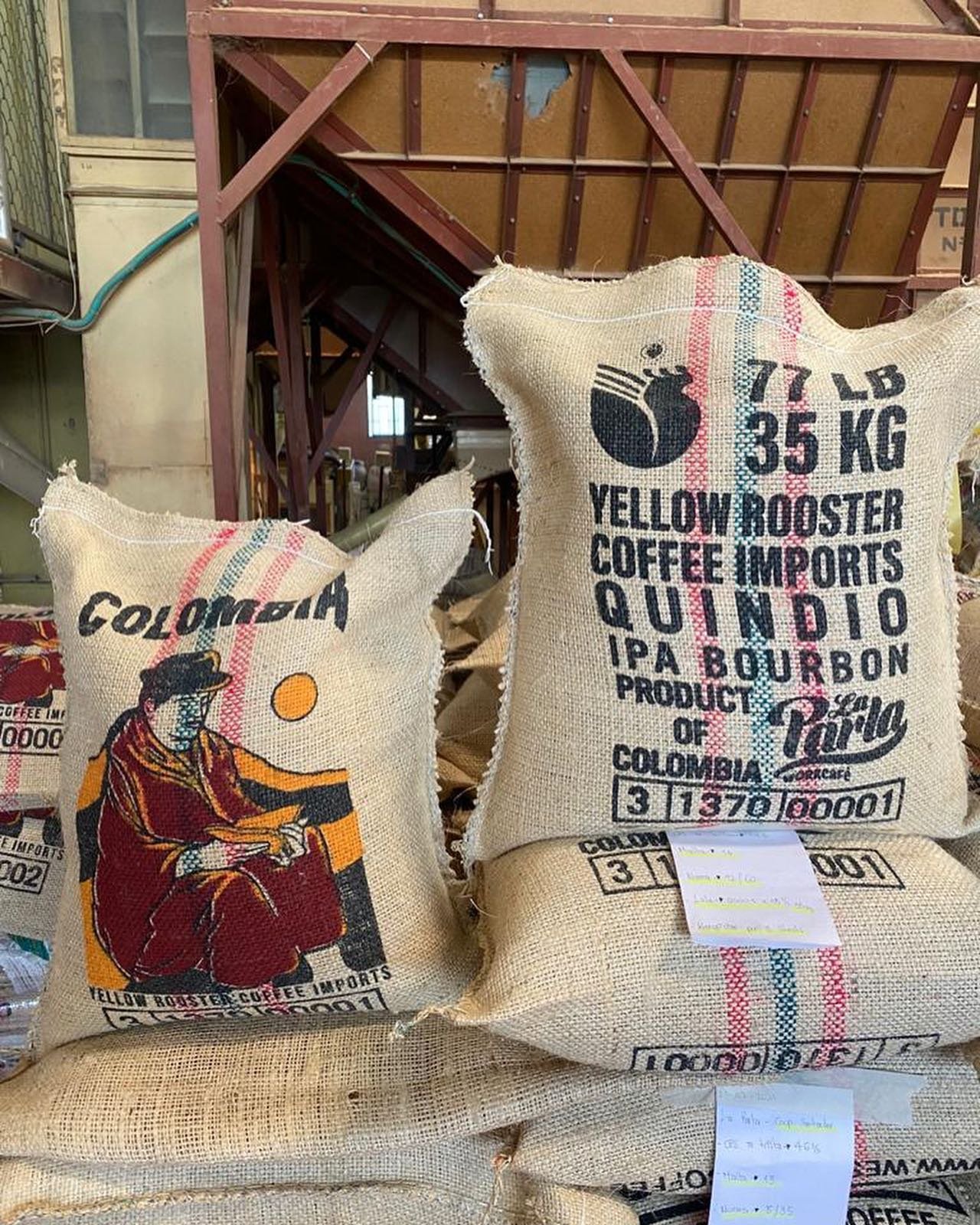
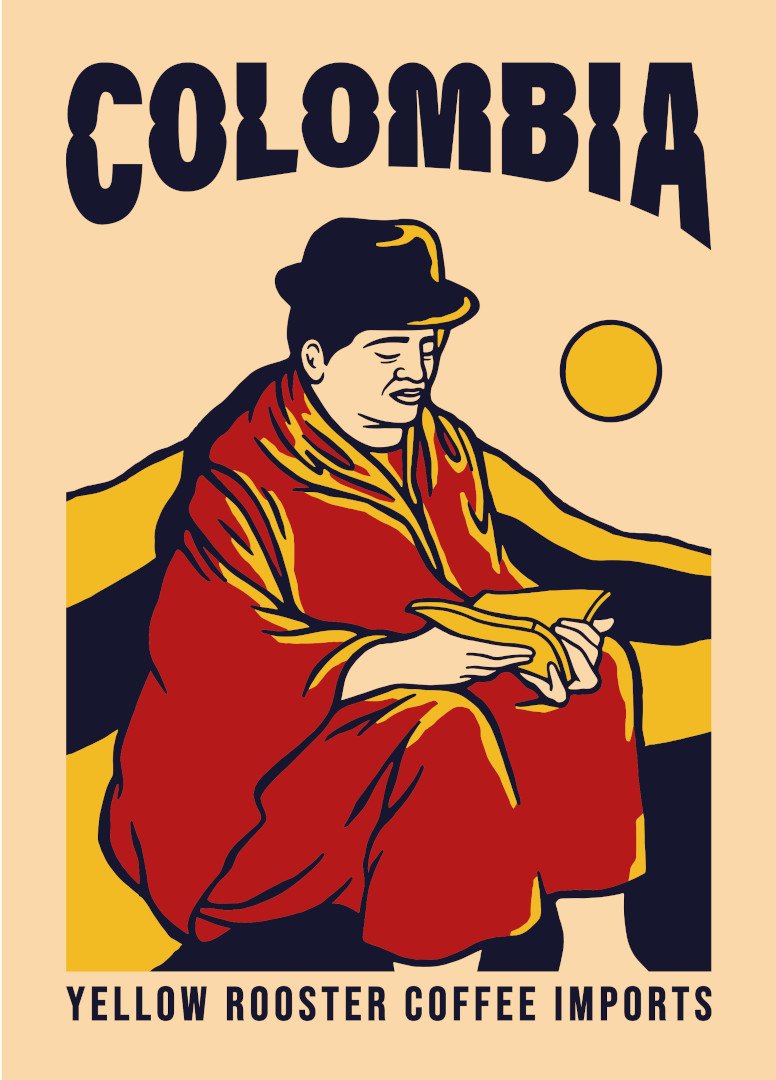
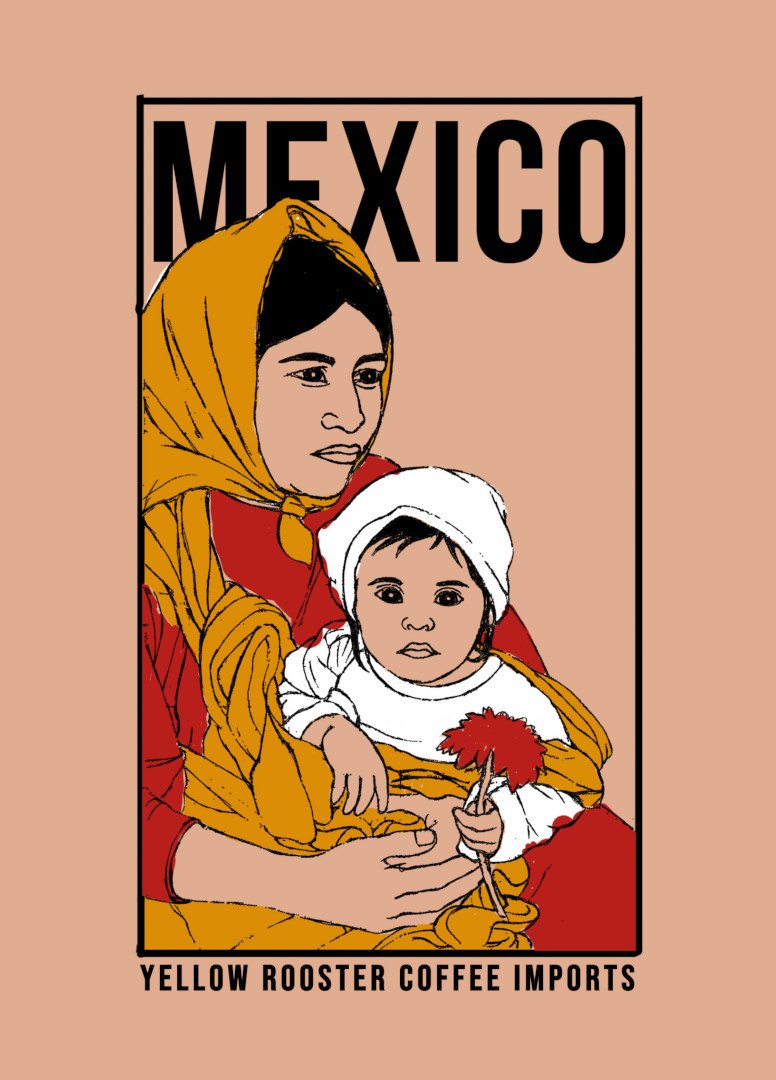
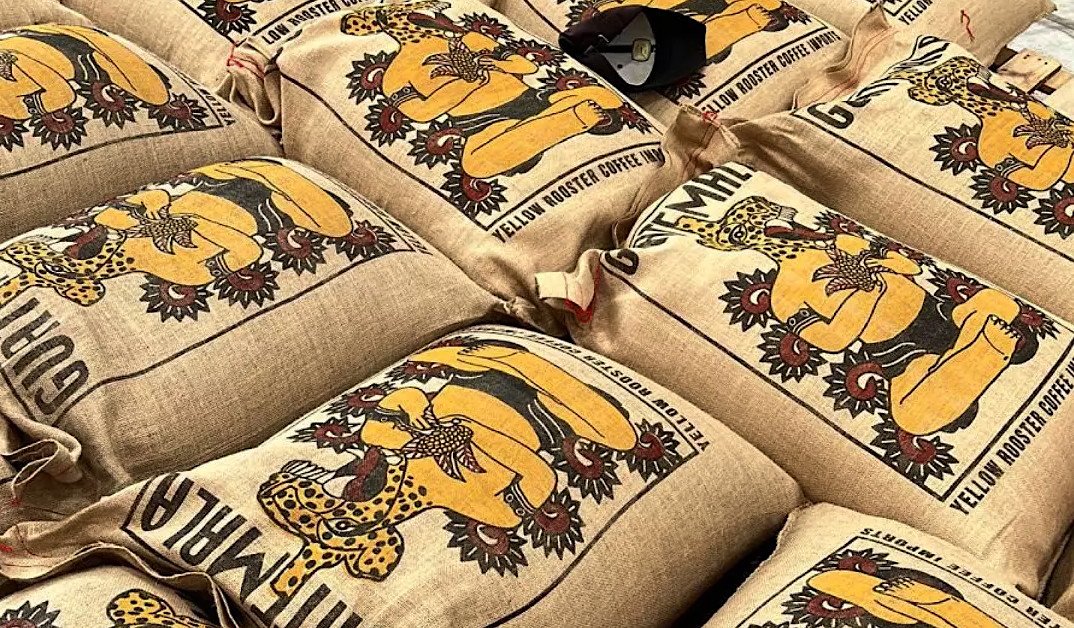
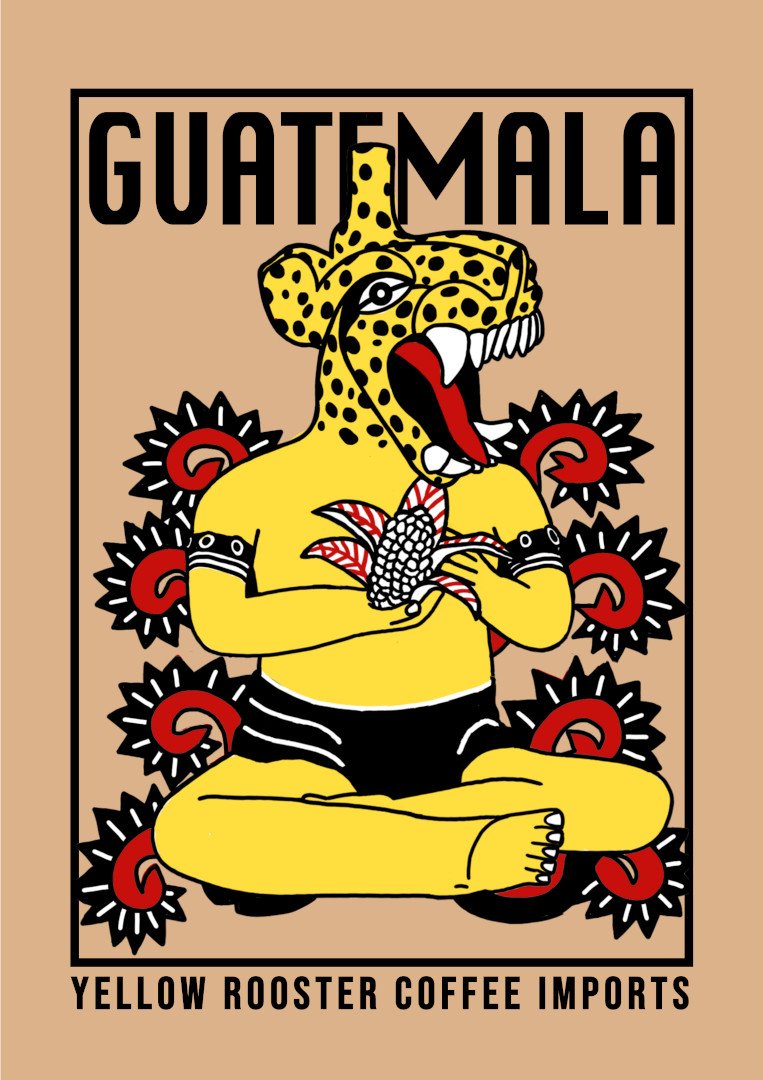
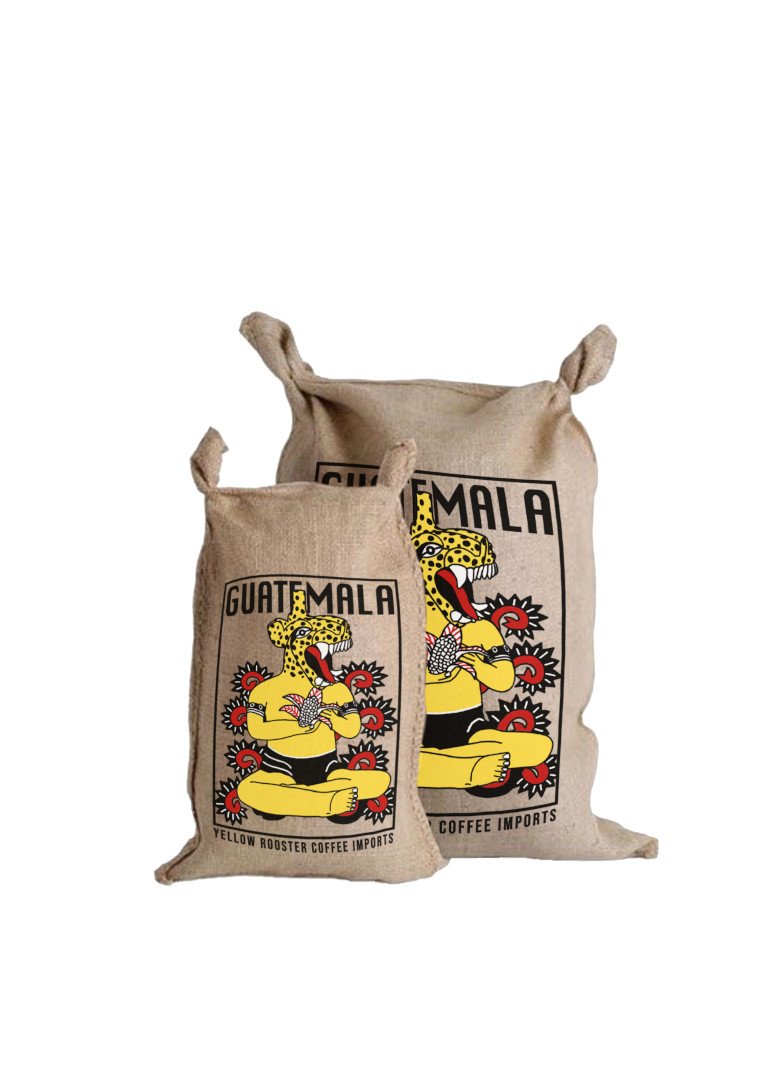
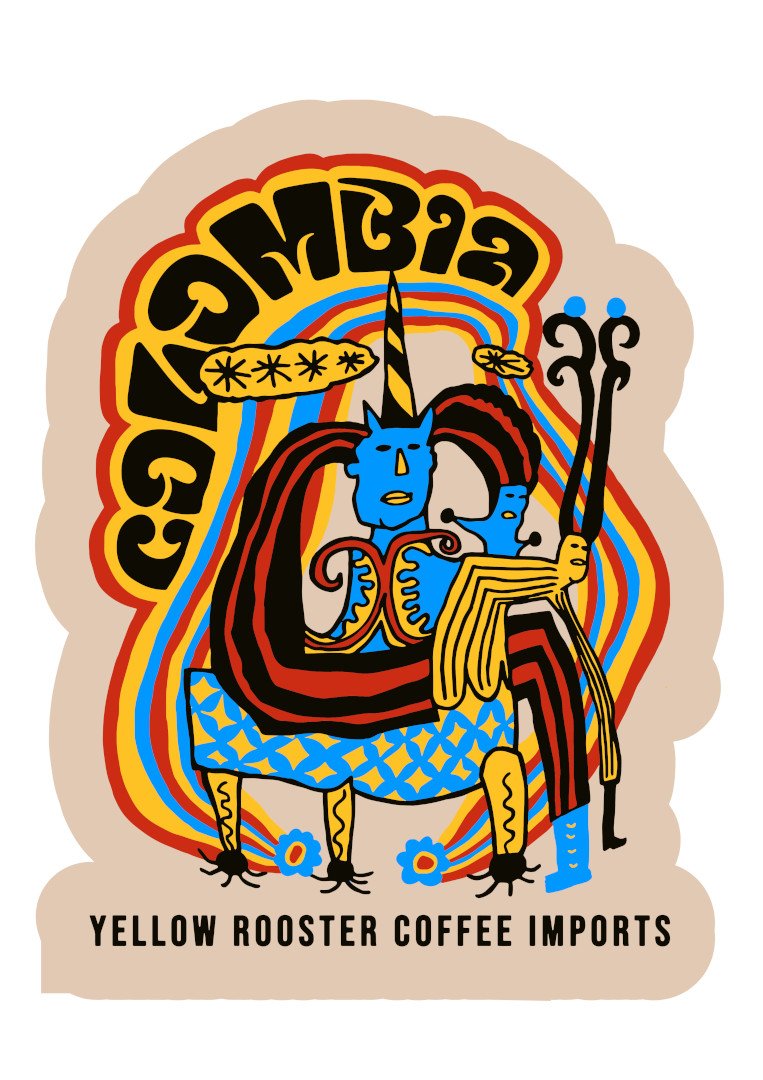
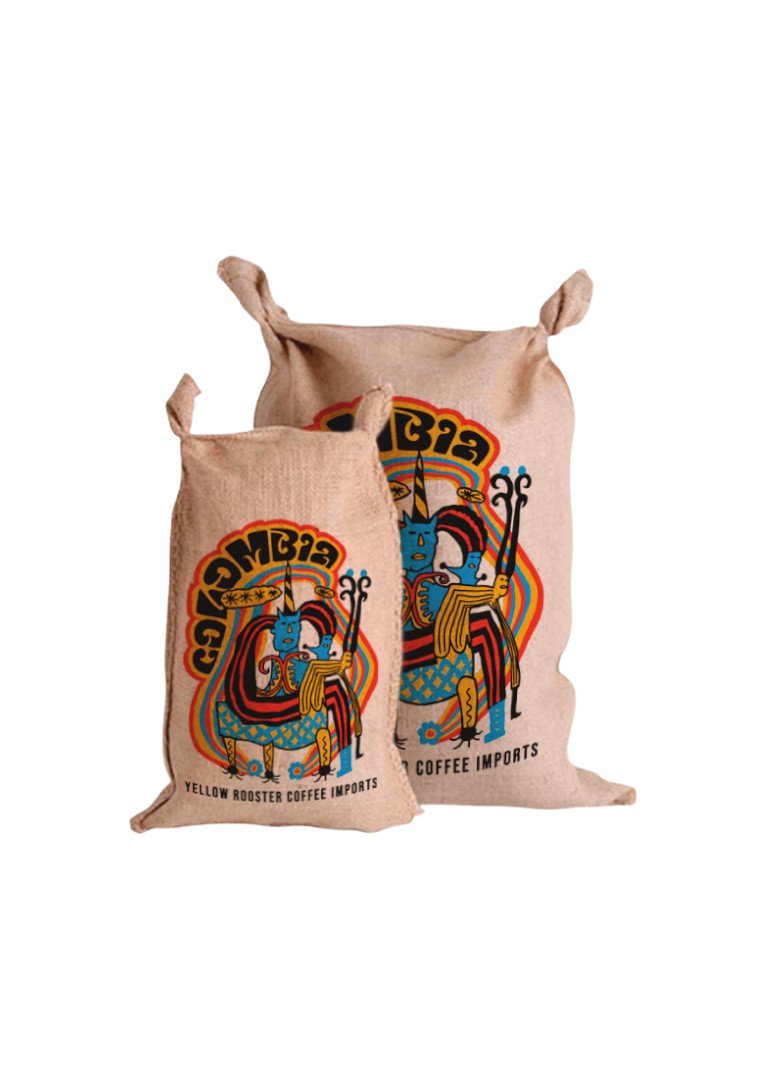
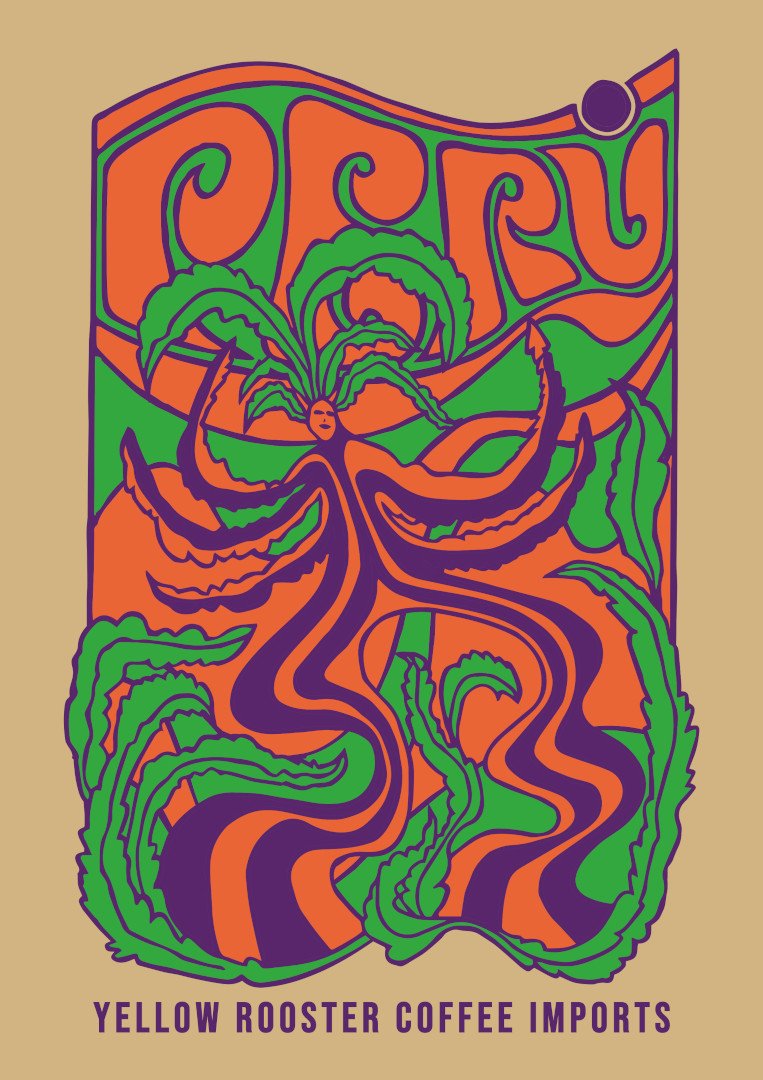
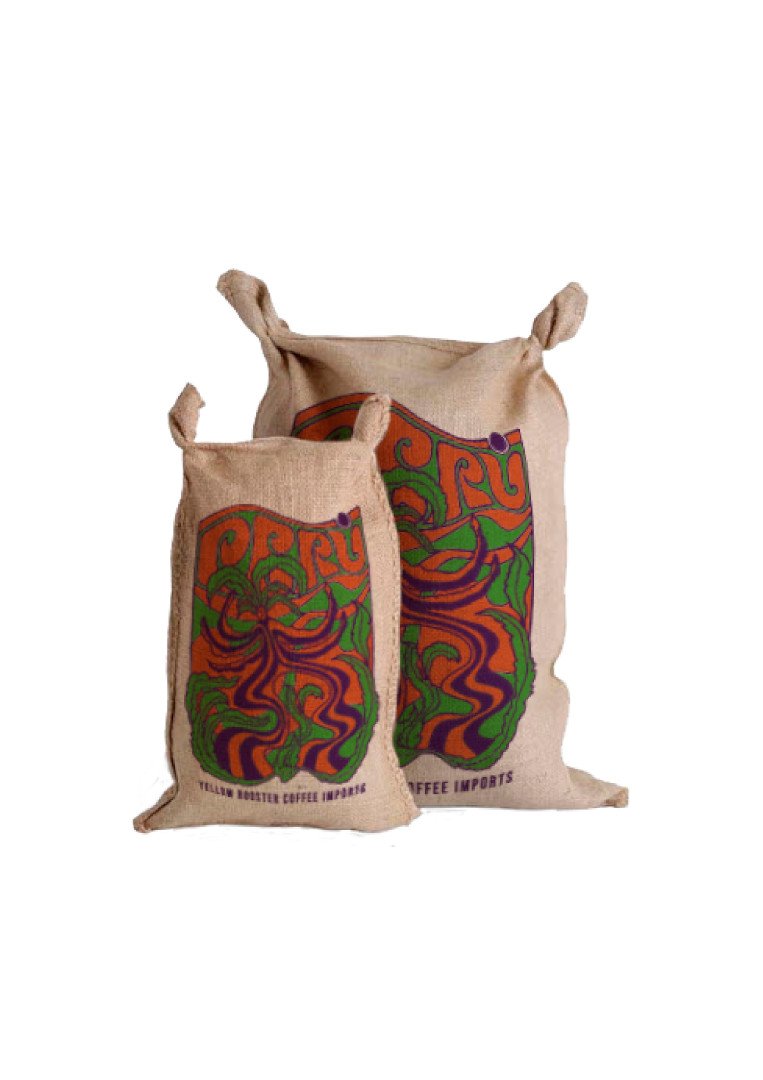
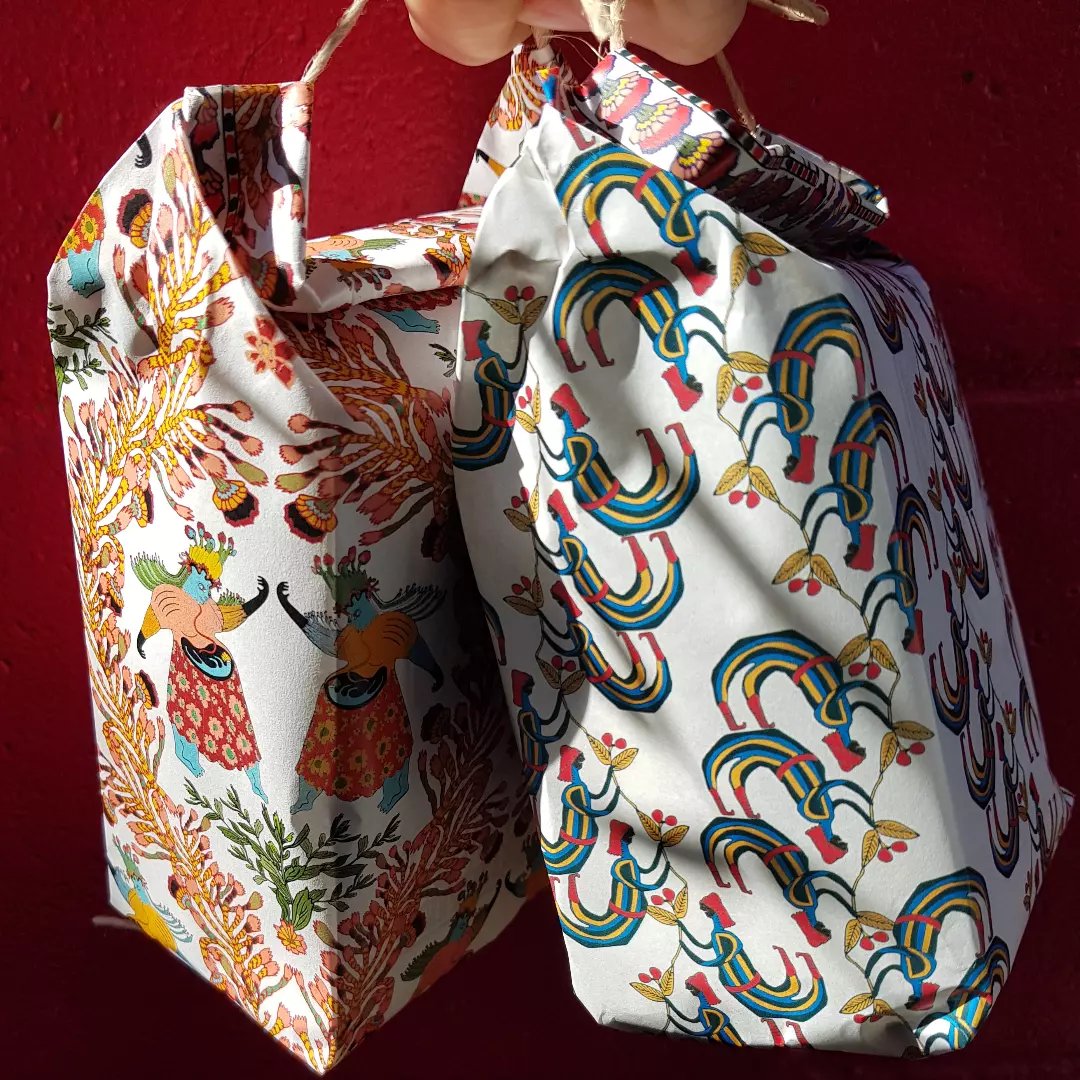
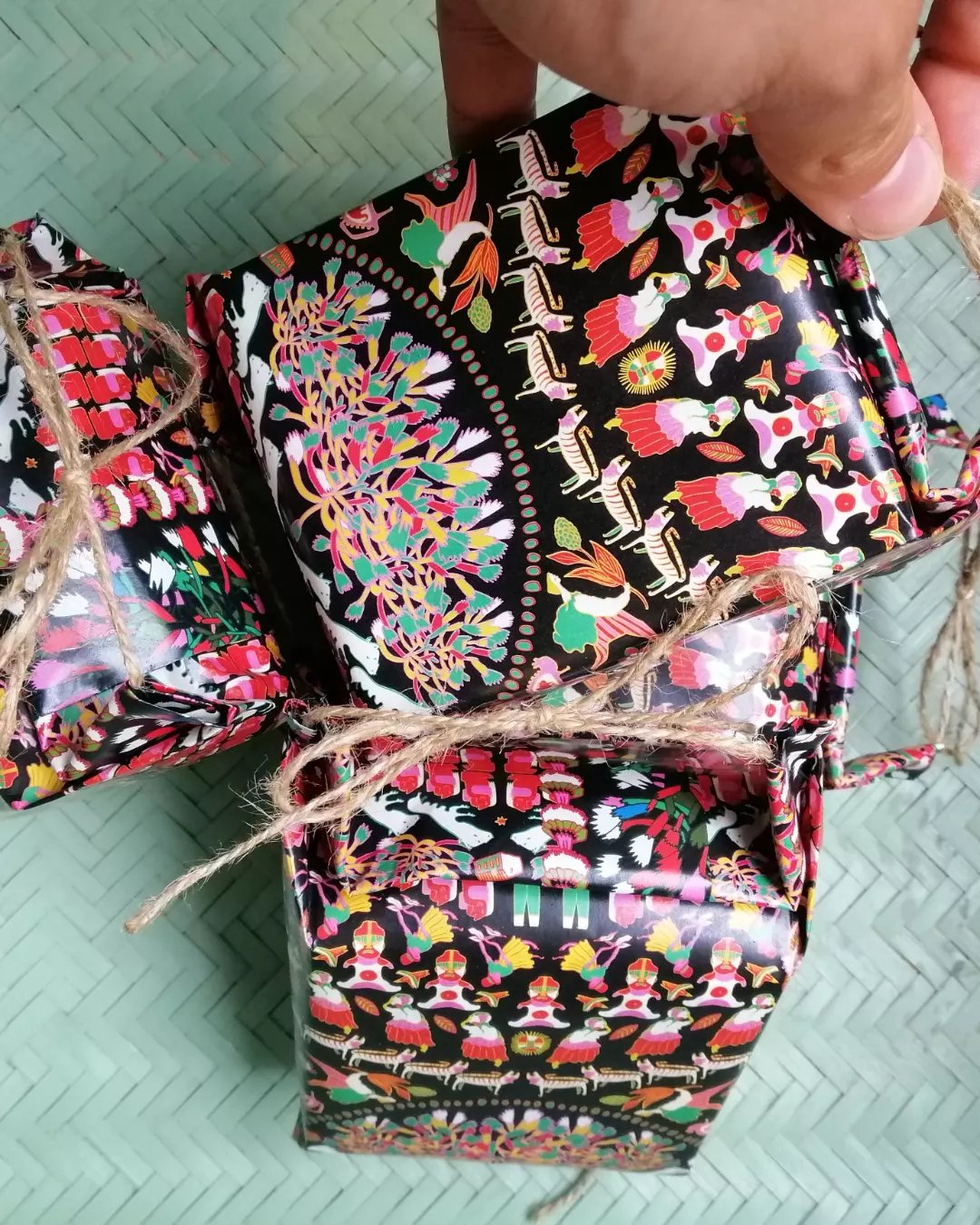
Each of the four origins: Colombia, Peru, Mexico, and Guatemala: received a bespoke illustrated sack, replacing the previous generic packaging. The illustrations formed a series, giving the product line a collectible quality while reinforcing Yellow Rooster's identity as a culturally-driven brand.

The launch of each sack was treated as a product release: announced through the website, Instagram, and email marketing, building anticipation and giving the coffee community a reason to engage with each new arrival.

yr rebrand sack colombia
yr rebrand sack mexico

The sacks generated strong enthusiasm from roasters and the wider coffee community, with the Instagram launches driving notable engagement. The new packaging became one of the most visible expressions of the brand's repositioning: turning a previously invisible product into a recognisable and shareable brand asset.

2022–2024 · Specialty Coffee · Product Rebranding, Content Strategy, Communications
04

Yellow Rooster Coffee Imports

Sack Series II:
In defense of life

Three origins. Three acts of cultural resistance: told through illustrated coffee sacks and the conversations they started.

6 min read

Year2022–2024
IndustrySpecialty Coffee
MarketUSA
RoleBrand Strategist
yr serieII hero

yr serieII guatemala illustration
yr serieII guatemala mockup

yr serieII colombia illustration
yr serieII colombia mockup

yr serieII peru illustration
yr serieII peru mockup

2022–2024 · Specialty Coffee · Cultural Research, Brand Strategy, Packaging
05

El Descanso Specialty Coffee

Nobody was
selling rest

An invitation to rest: building a countercultural coffee brand from scratch in New Zealand.

5 min read

Year2022–2023
IndustrySpecialty Coffee
MarketNew Zealand
RoleCo-founder & Brand Strategist
ed hero

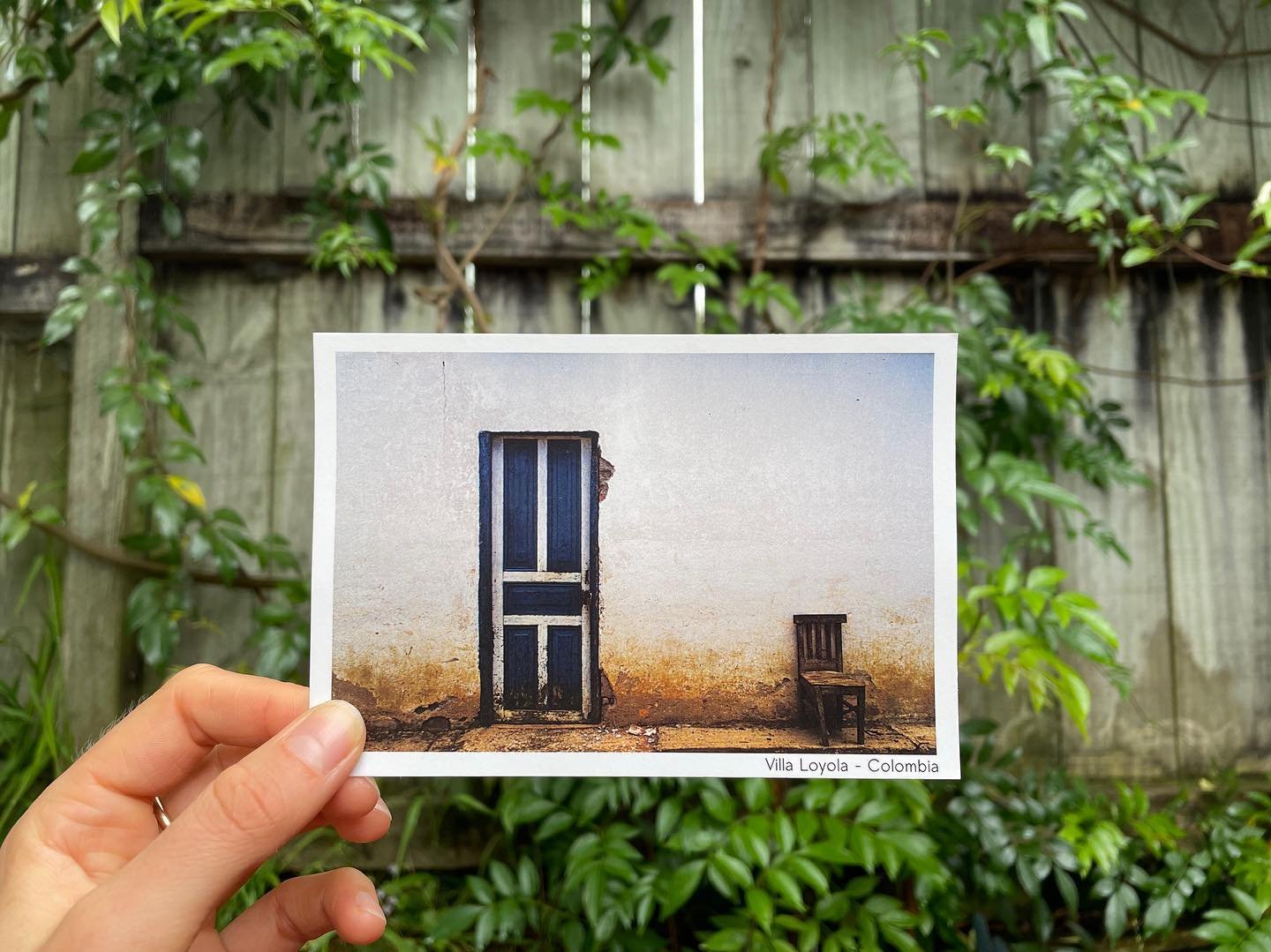
Research into the New Zealand specialty coffee market pointed to a clear gap: every brand was selling a fast, functional experience, and nobody was selling rest. El Descanso was the response. The idea of rest came from a photograph taken in the mountains of southern Colombia: a visit to a Jesuit coffee farm that captured exactly what the brand needed to stand for. A specialty coffee micro-roastery launched in New Zealand around one countercultural proposition: coffee as an invitation to pause, not a tool for productivity.

As co-founder, my role spanned the entire brand from conception to launch: brand strategy, visual identity, packaging, supply chain, and communications.

New Zealand's specialty coffee scene was crowded: and uniform. Most brands sourced from the same suppliers and competed on convenience. Walk into any specialty coffee shop in New Zealand and the coffee was the same: only the branding changed.

Finding a position in that market meant finding one that was genuinely available: and building a brand with enough conviction to hold it against a category that had settled into a consensus nobody had questioned.

ed colombia origin

Research pointed to one consistent gap: the communal side of coffee was unclaimed. The decision was to build the brand around that gap: not competing on what everyone else was competing on, but claiming the territory nobody had touched.

The idea that anchored it: the Latin American tradition of rest, introduced into a culture that treated coffee as momentum, not as pause.

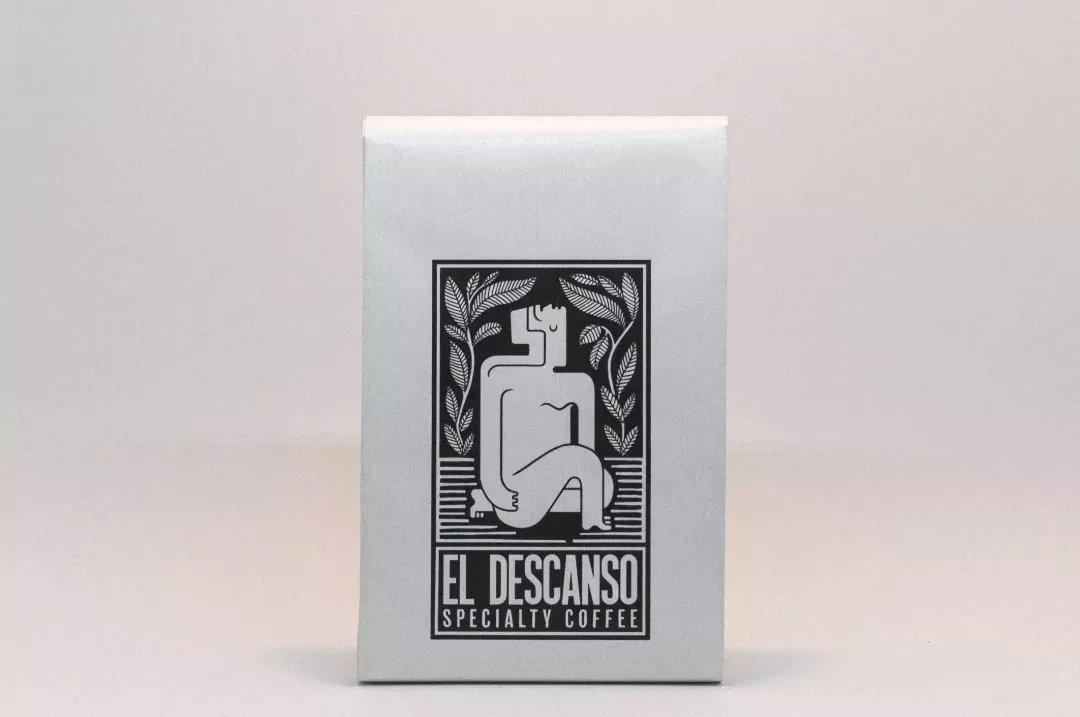
ed logo
ed identity system

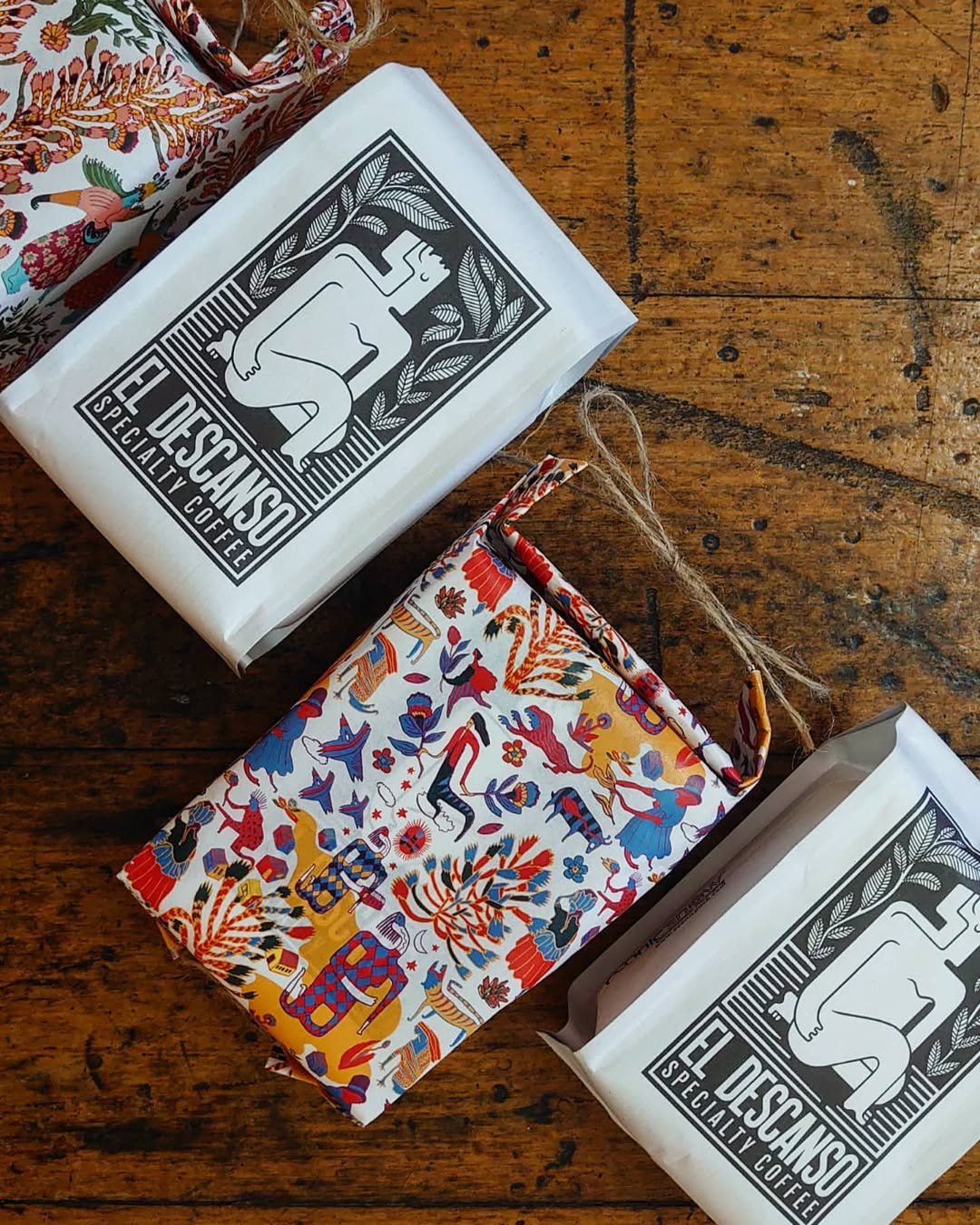
Aesthetically rooted in ex libris illustration, the logo is a fine-line human figure: seated but not at ease, resting but mid-thought. The posture is Socratic: the kind of pause that opens questions rather than closing them.

The packaging system was a product architecture decision as much as a visual one. Four categories: Community, Pachamama, Harvest, and Experimental: defined by the intersection of coffee quality, consumer research, and price point. Each with its own design, its own story, its own place in the range.

ed pack community
Community
ed pack pachamama
Pachamama
ed pack harvest
Harvest
ed pack experimental
Experimental

Community: Multi-producer lots. Exceptional coffees made by many hands.

Pachamama: Comfort-driven coffees. The creative feminine, the nurturing earth.

Harvest: Clean, precise, fine lots organised by the logic of production.

Experimental: Small-batch, curated, chamanic. The rare and the unexpected.

El Descanso established a presence in New Zealand's specialty coffee community from the first release. The packaging became the brand's most consistent point of conversation: customers cited it as the reason they first bought, and the coffee consistently met or exceeded what the design had promised.

Within the community, the brand became a reference point: other roasters started talking about it, and wholesale interest emerged organically.

2022–2023 · Specialty Coffee · Brand Strategy, Identity Design, Packaging, Communications · New Zealand
06

Daily Daily Coffeemakers

A limited edition built for
someone else's community

Where El Descanso meets the city: a limited edition collaboration for Daily Daily's fifth anniversary.

3 min read

Year2023
IndustrySpecialty Coffee
MarketNew Zealand
RoleCreative Direction & Brand Collaboration
dd hero

Daily Daily is one of those coffee shops that earns its place in a city: sidewalk tables, good light, the kind of spot you return to. For their fifth anniversary, they came to El Descanso. As their roaster and wholesale partner, the relationship was already there. I took it further, leading the full collaboration from concept to delivery.

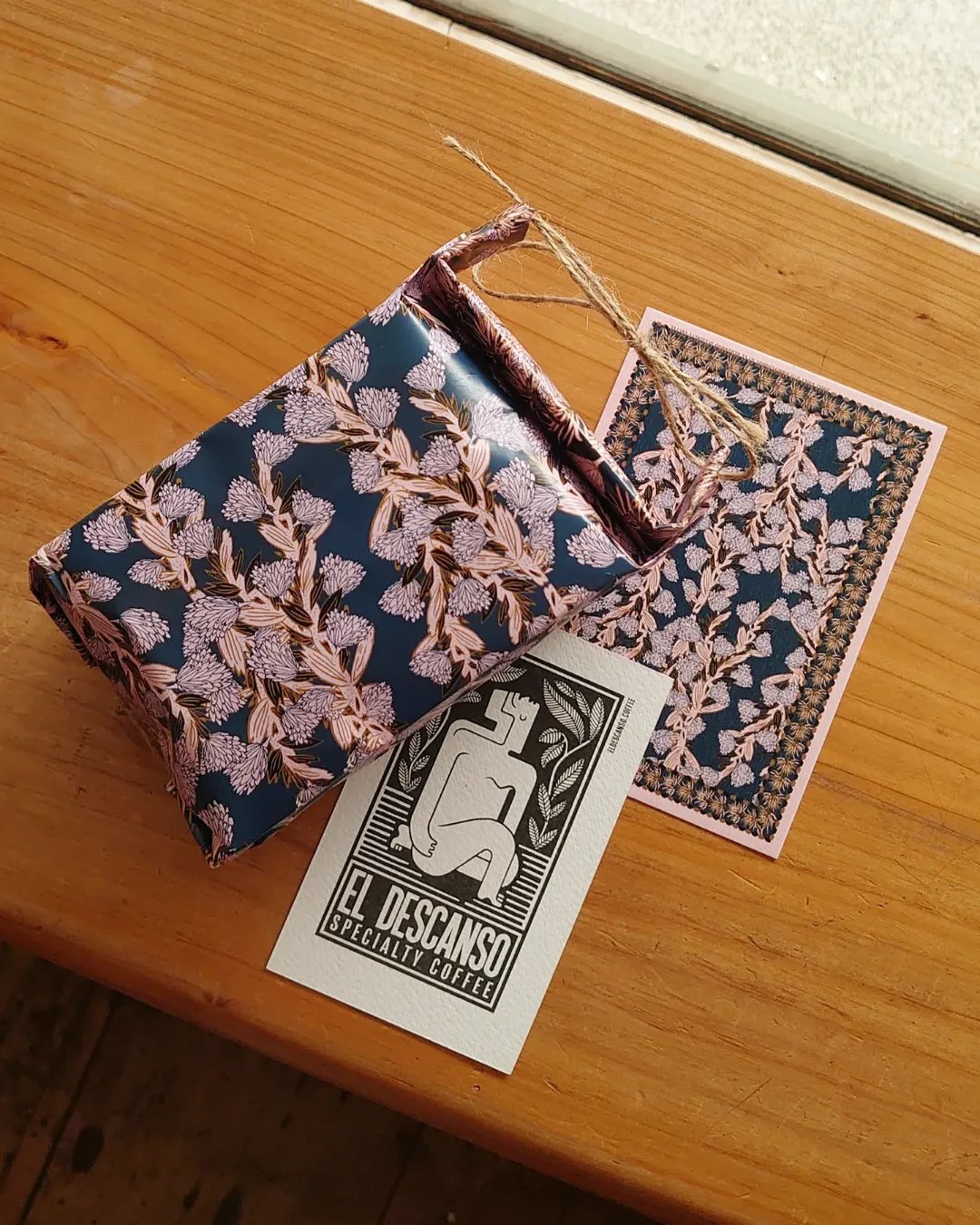
The tradition was a guest roaster each year. This time, as El Descanso’s co-founder, we offered something more: a limited visual identity built for the occasion: to dress their packaging, merchandise, and cards in something designed specifically for them.

The challenge was making it feel like Daily Daily while making it unmistakably El Descanso. A temporary visual handshake between two brands that speak the same language.

There was one thing Daily Daily did consistently well: they made the city feel slower. That is the same thing El Descanso has always been about.

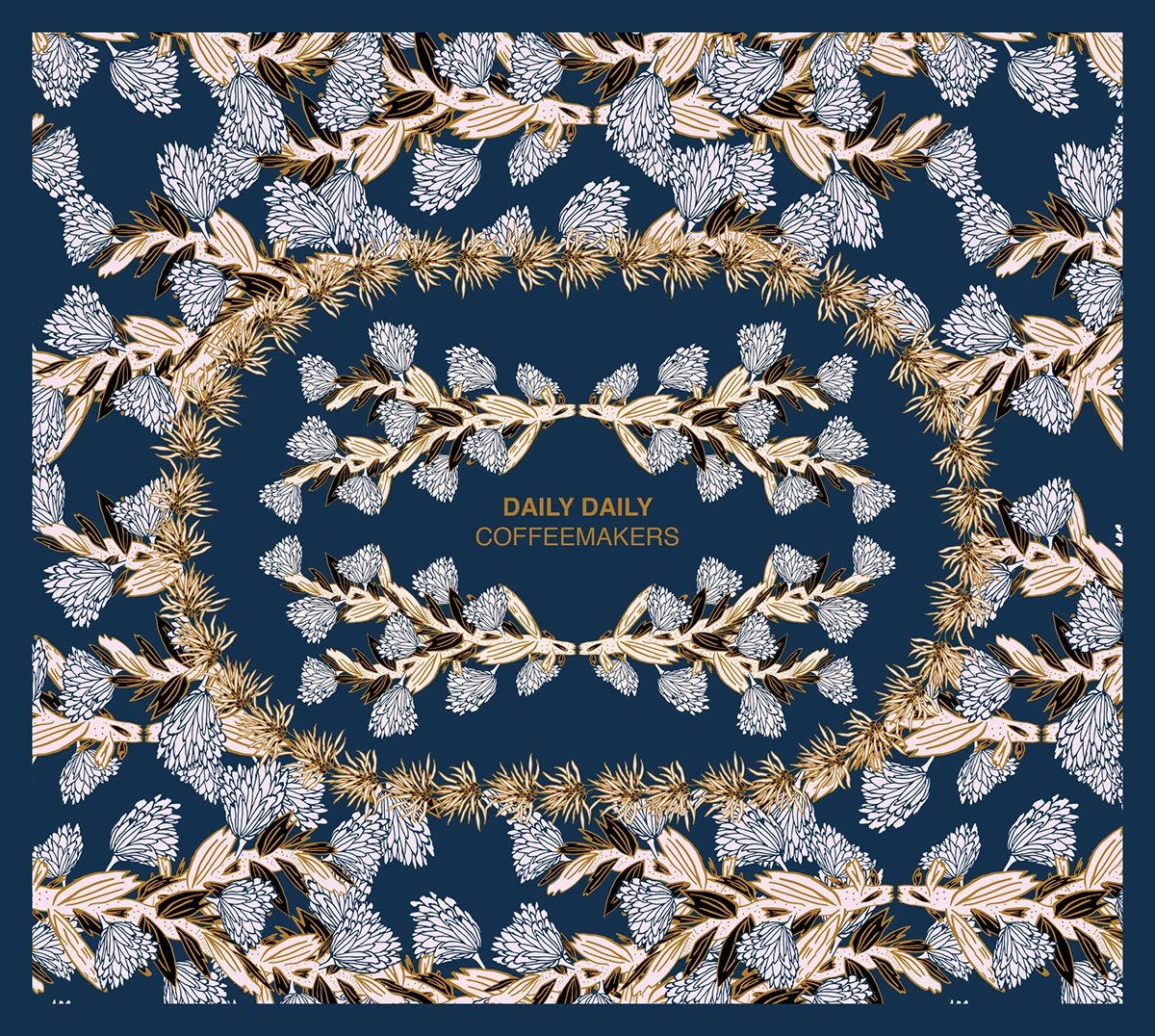
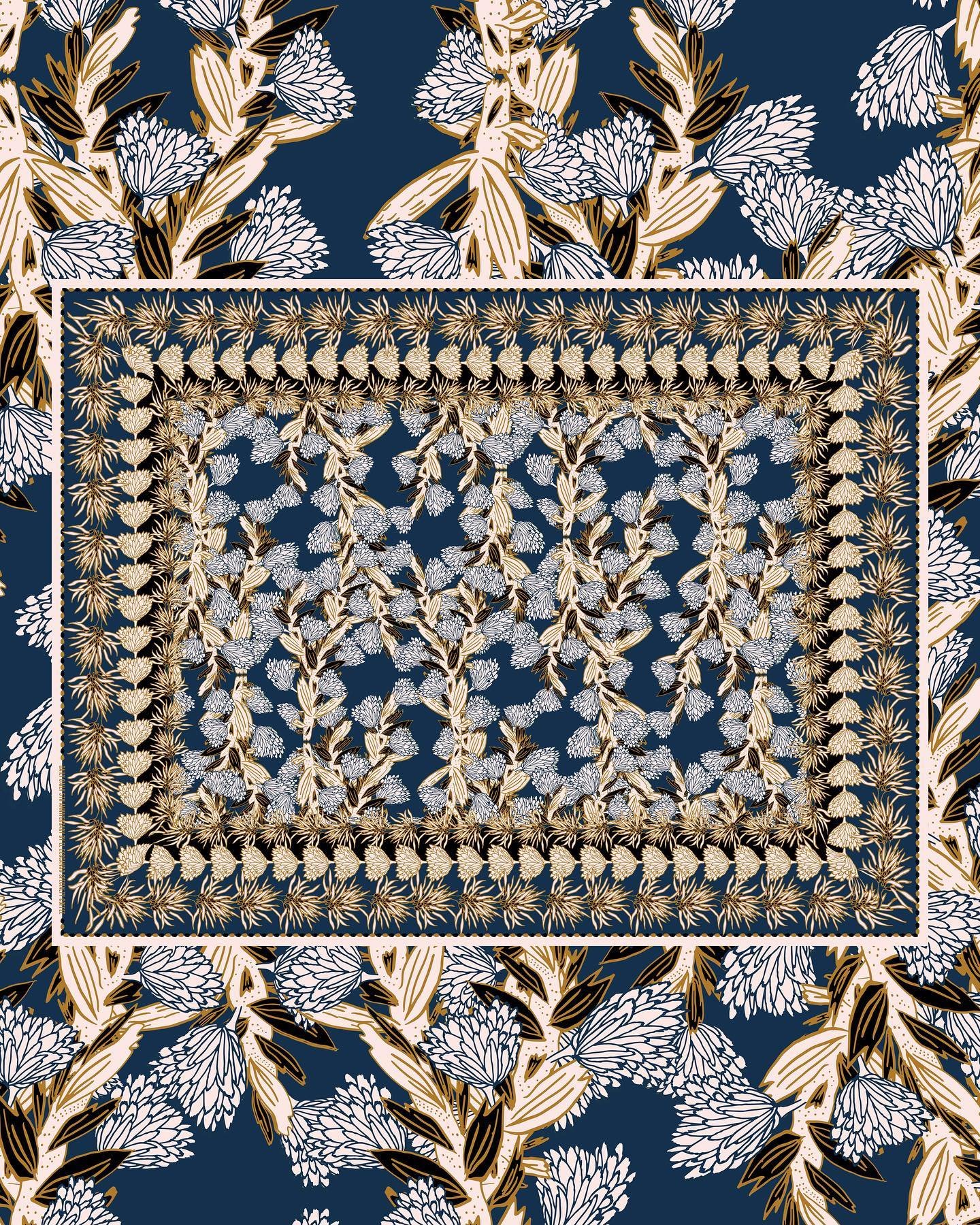
The brief came from that convergence: El Descanso’s illustrated world stepping onto Daily Daily’s sidewalk. Their palette: navy, pink, grey, and white: became the colour brief. The visual language was already established. This was its urban application.

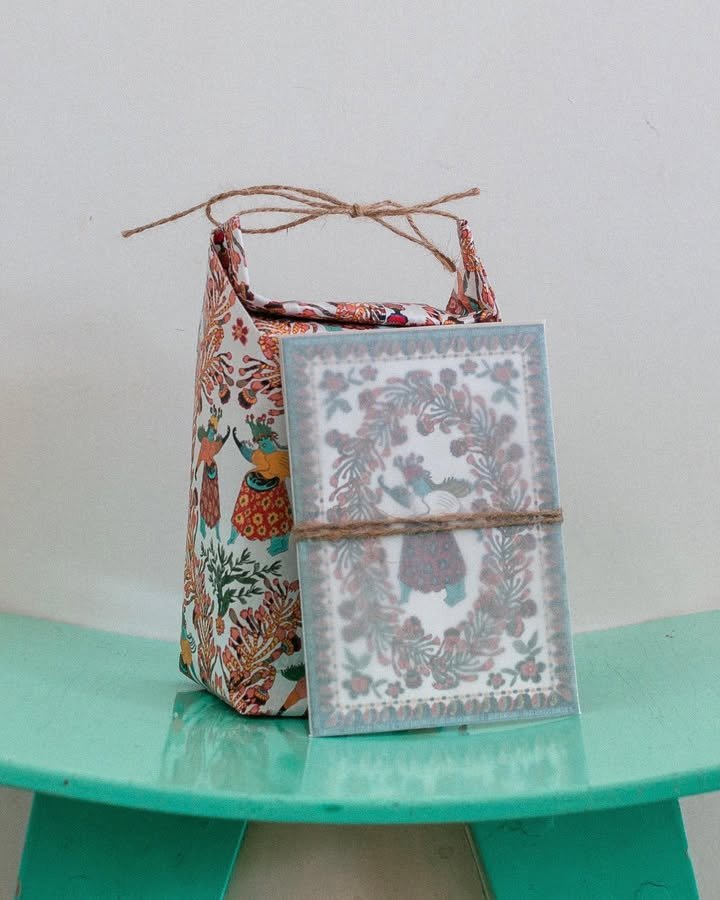
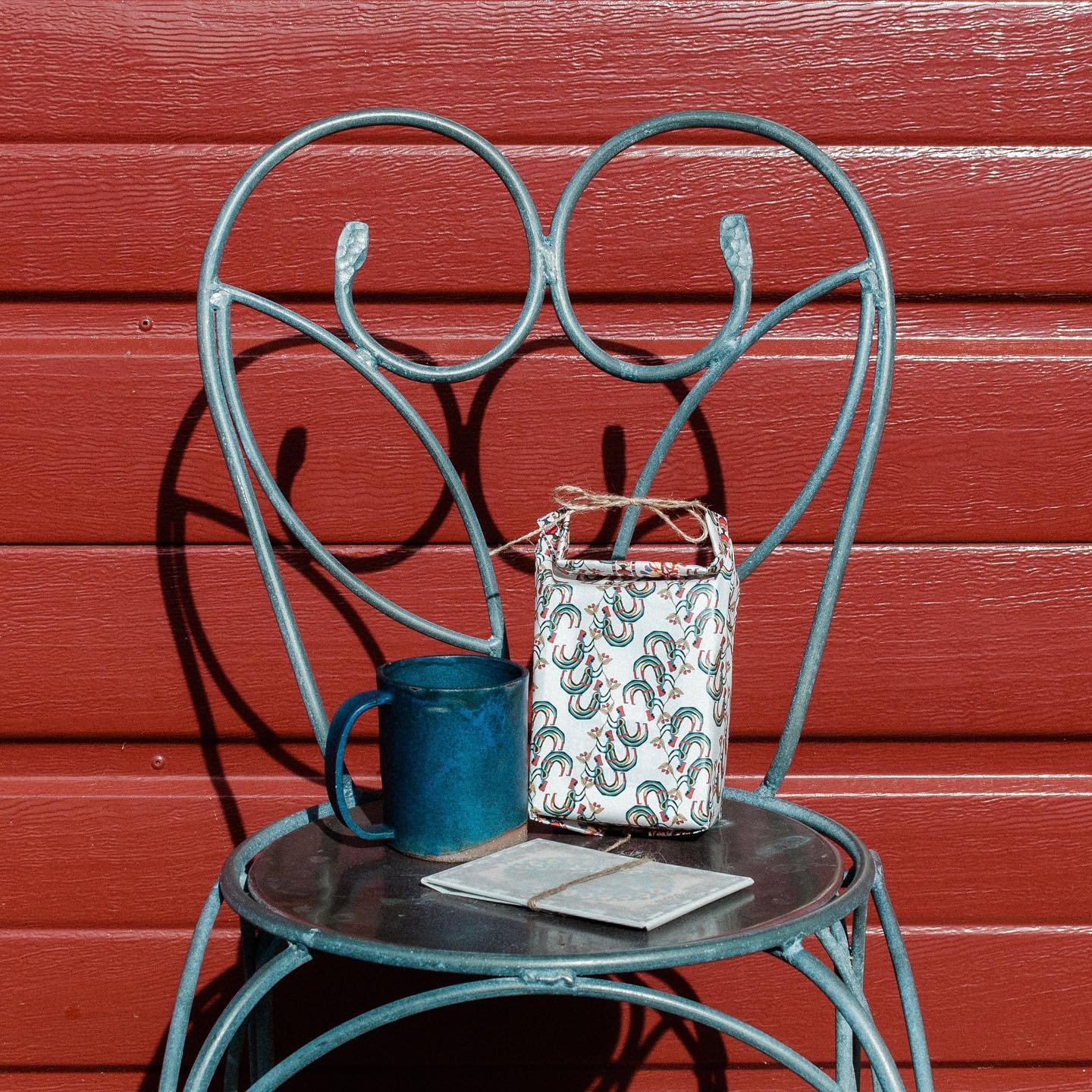
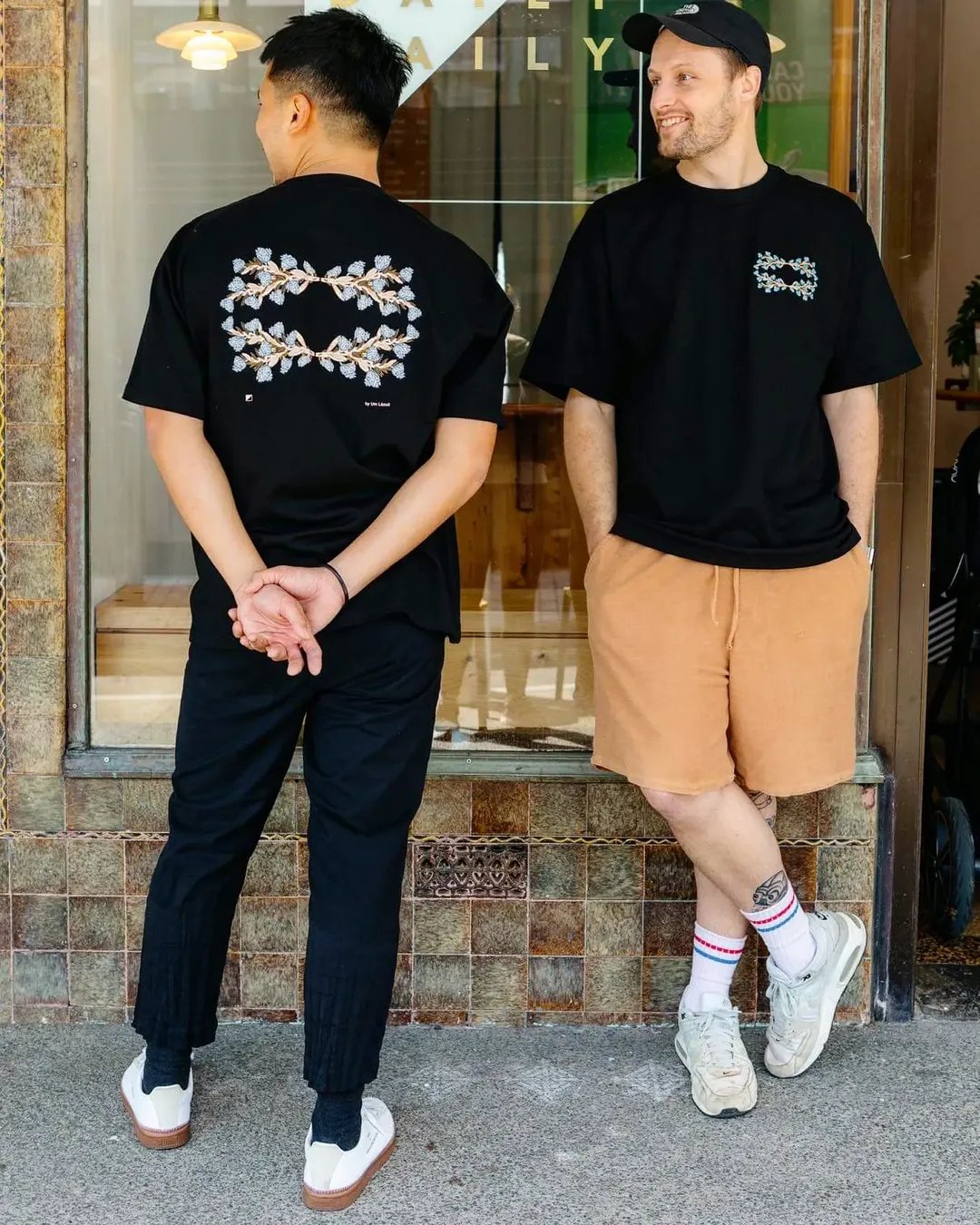
The output covered three formats: packaging wraps, anniversary t-shirts, and cards. The coffee sat alongside them: a limited edition roast produced exclusively for Daily Daily.

Across every piece, the visual system held: El Descanso’s illustrated language working inside Daily Daily’s palette. Coherent with both brands, owned by neither alone. A fifth anniversary edition made to feel like it mattered.
dd wrap
dd tshirt
dd card

The partnership performed on two levels. Creatively, it extended El Descanso’s visual world into a new context without losing coherence. Commercially, it moved: a 25% sales increase and 20% mailing list growth, driven by an audience that came in through Daily Daily’s community and found El Descanso waiting.

2023 · Specialty Coffee · Brand Collaboration, Art Direction, Creative Brief · New Zealand

If you're building something worth believing in, let's talk.